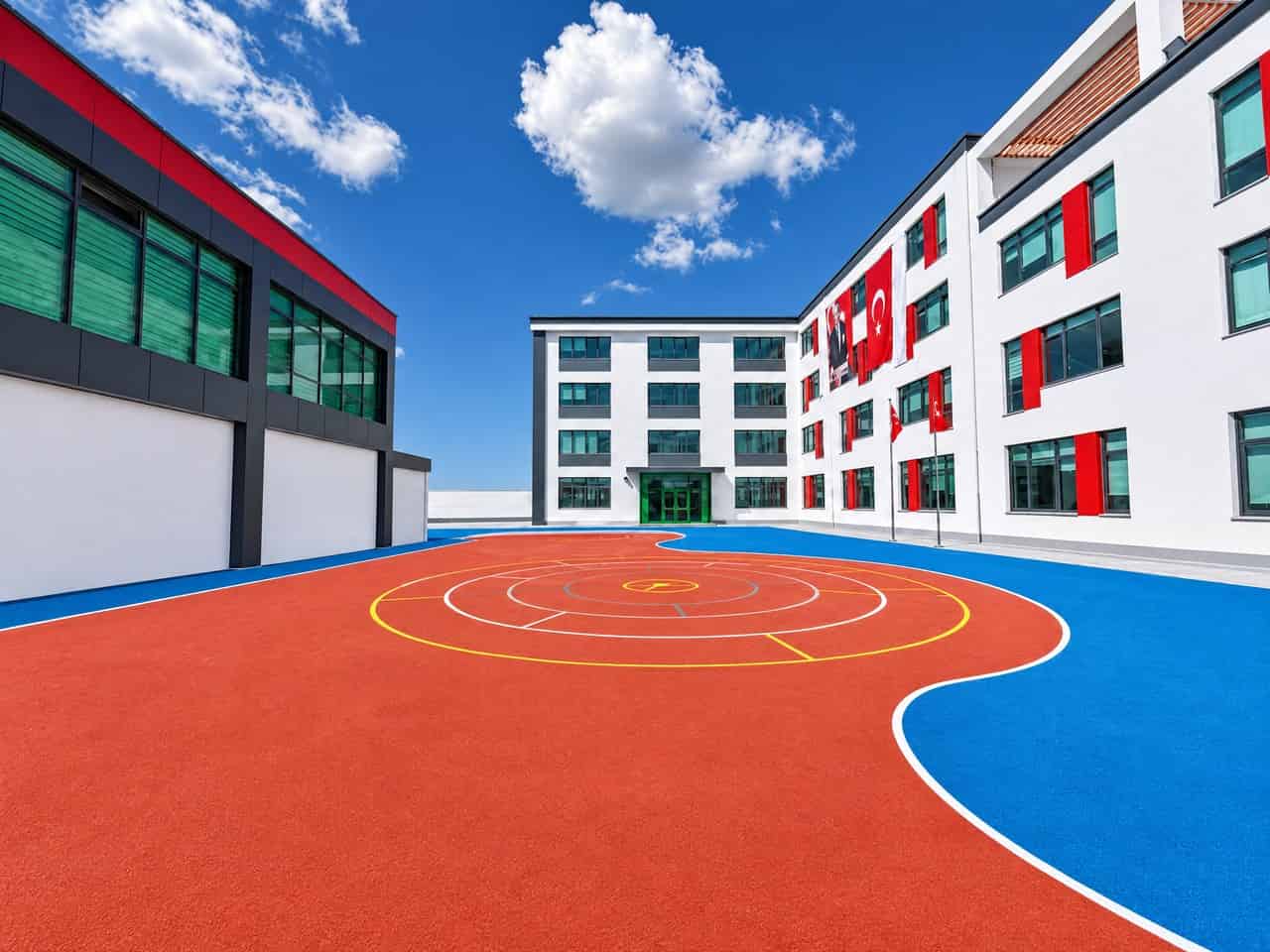


School life · Maths Competition
Maths and cognitive skills competition.
A competition held every spring; alongside maths questions, it includes questions that measure attention, logical reasoning and problem solving. Thanks to different levels of difficulty, every student competes at their own level.


Competition
What it measures
The questions require the child to notice patterns, sort out the information given and try out a solution.

For many children, maths means memorised rules and quick calculations. We prepare this competition to bring out the real side of maths: looking at a question and understanding what is being asked, sorting out the information, trying one way and, if it does not work, looking for another.
The questions measure mathematical thinking and cognitive skills together. Some are based on numbers, patterns and geometry; others test attention, logical reasoning and analysis. Together, they show how a student thinks when faced with a problem.
Read more
There are no elimination rounds. Our aim is for the child to learn to feel confident in an exam setting and to grow more curious about maths.
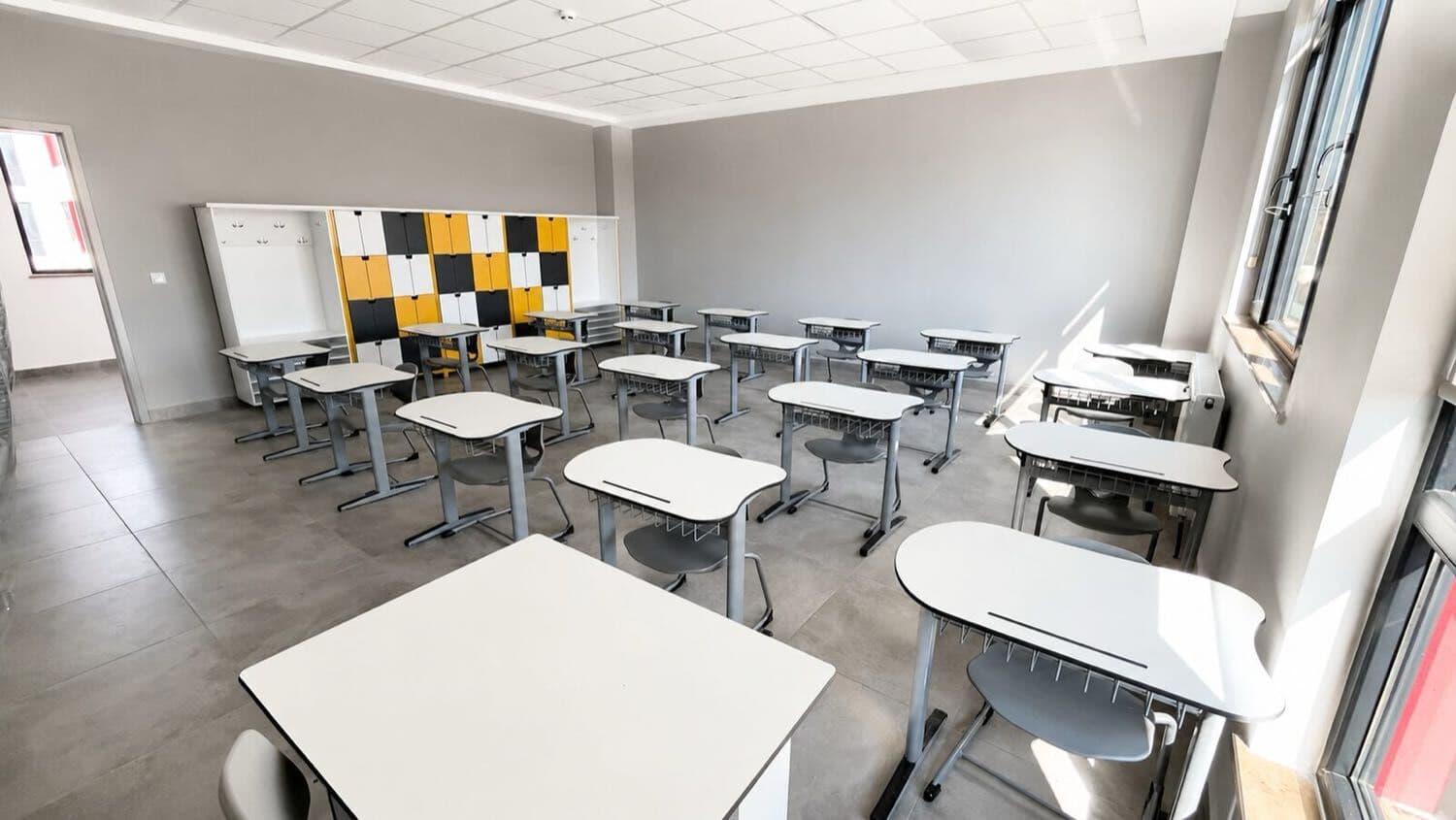
Exam format
50 minutes, 25 questions
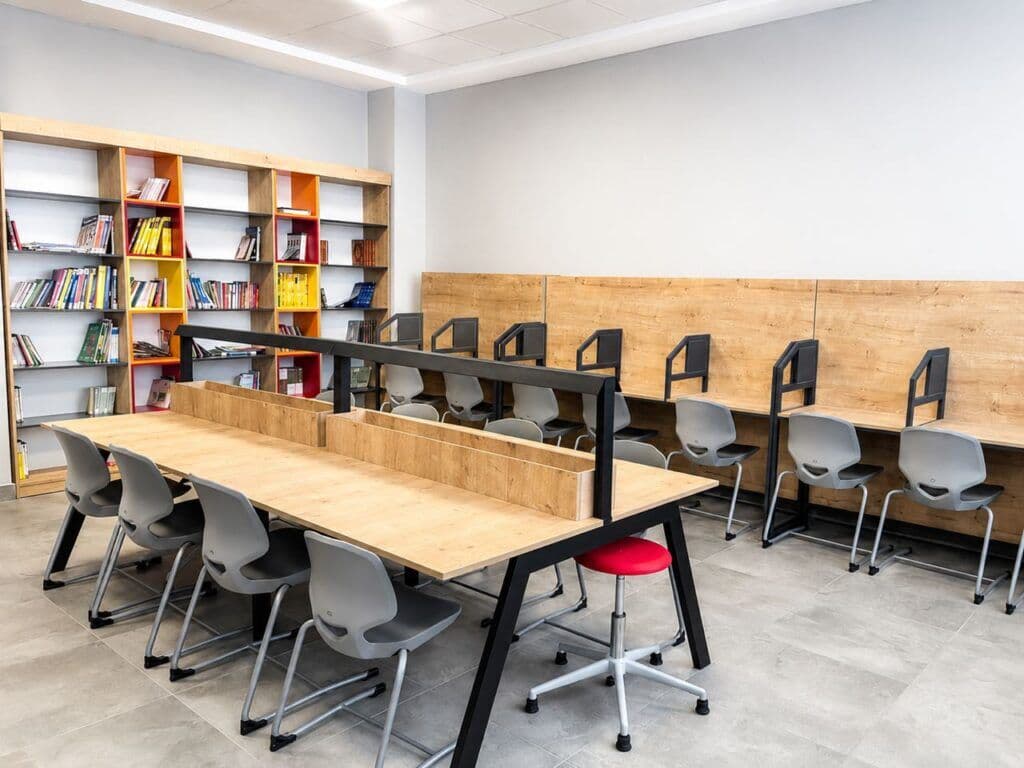
The format of the 11 April 2026 competition:
11 April 2026
Date of the most recent competition
50 minutes
Duration
25 questions
15 maths, 10 cognitive skills
Question types
Two types of question
For balanced assessment, the questions are divided into two groups.

Maths questions
Questions on grade-level topics that measure understanding.
- Numbers and operations
- Patterns
- Geometry and measurement
- Word problems
Cognitive skills questions
Questions not tied to a particular subject topic that measure ways of thinking.
- Attention
- Logical reasoning
- Analysis
- Problem solving
Levels
Everyone at their own level
The questions are prepared at different levels of difficulty. The easy questions let every student start the competition with confidence; the hard ones leave students with a strong interest in maths something to work on.
In this way every student shows what they can do at their own level, and sees on their results sheet the areas where they are strong and those they need to work on.
Preparation
How to prepare
No special course is needed; a habit of thinking regularly is enough.

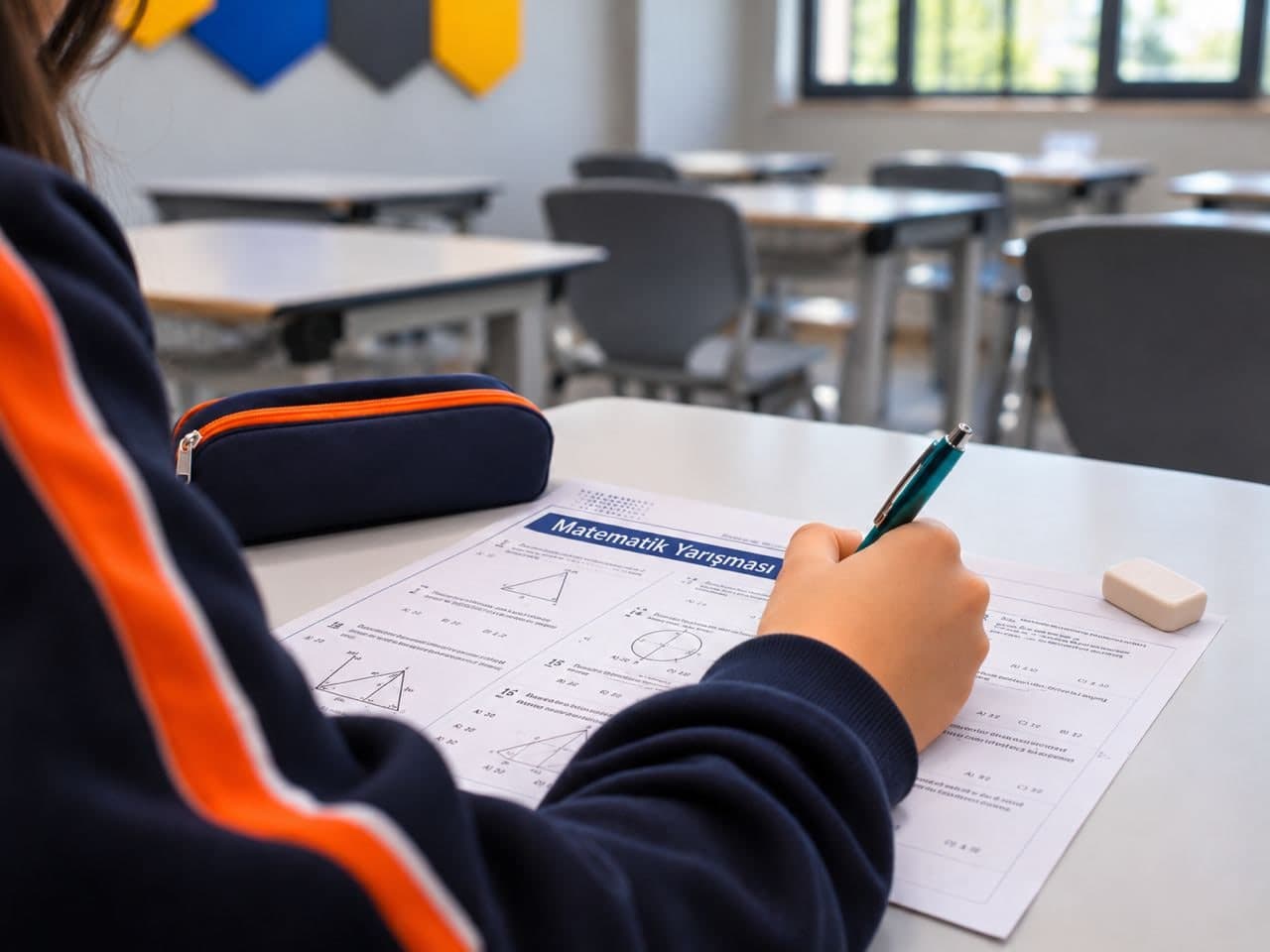
The best preparation for the competition is trying to understand what is learned in class. A puzzle at home, a brain-teaser game or a logic question asked over dinner is often more useful than working through test books.
For exam day we have just one piece of advice: look over all the questions first, start with the ones you are sure of, and do not get stuck on a hard question. 50 minutes is enough time for 25 questions.
Reading
Reading the question to the end is half the answer.
Games
Chess, sudoku and brain-teaser games are training for the cognitive questions.
Staying calm
Skip a question you do not know and come back to it later.
2027 competition
Date and application
Date and application
April 2027; the day, participating grades and how to apply will be announced.
Who can take part in the competition?
The participating grades are announced each year with the competition announcement. Once announced, they appear on this page and in the calendar.
Where is the competition held?
On our school’s campuses. Which campuses will be used is communicated at the time of application.
How are the results announced?
Results are sent to parents; each student sees their own correct and incorrect answers by question type.
Is there a fee for the competition?
The application conditions will be set out in the 2027 announcement. You can write to us with any questions.

Next step
Be the first to hear about the 2027 competition.
When applications open, we will announce it on this page and in the calendar. Write to us now for information.