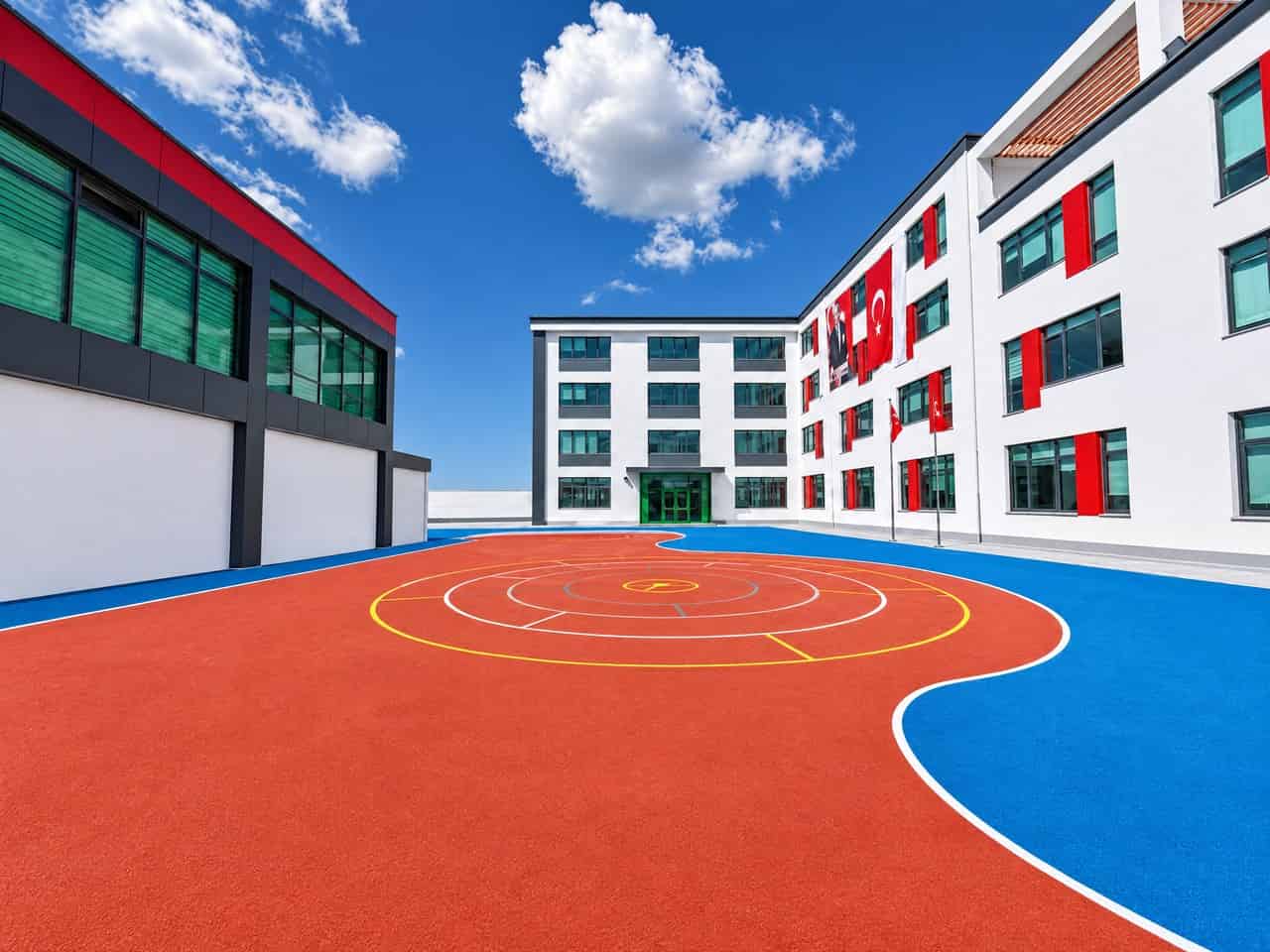


School · Sustainability
Looking after our school and the world, together.
A school that sorts its waste, does not waste water or energy, and plants saplings in its garden. We match our practices to the United Nations Sustainable Development Goals (SDGs) and make our students responsible for this work.

Sustainability
Looking after the school together
Environmental awareness is not a lesson topic but part of the school’s daily routine.
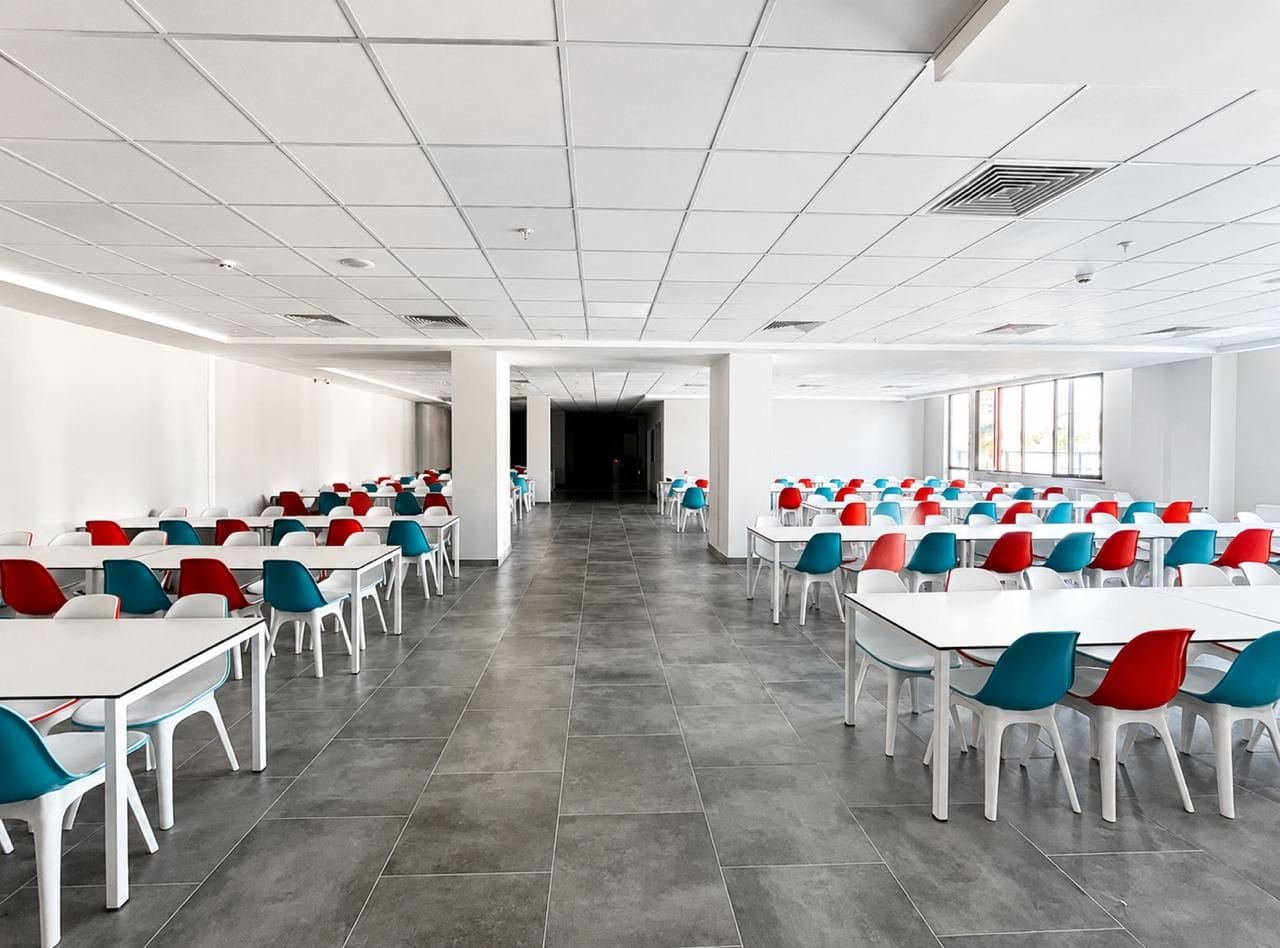
The best way to teach children about sustainability is to live it at school every day. Waste is sorted in classrooms, paper and plastic go to recycling; tablet learning reduces photocopying and paper use. In the dining hall, food left on plates is monitored and portions are adjusted accordingly.
Read more
Our students are not spectators of this routine but the ones responsible for it. On every campus a student environment team appoints class monitors and talks about energy and water use once a month. Younger children sow seeds in the school garden and see how compost is made; older students take environmental projects to science fairs and eTwinning partnerships. This is the most concrete form of the Responsibility trait in the Kaizen Model.
Waste sorting
Separate bins in every classroom and corridor; recycling is collected regularly.
Less paper
Tablet learning, digital homework and the parent portal reduce paper use.
No food waste
Leftover food in the dining hall is monitored and portions are adjusted accordingly.
School garden
Seeds, seedlings and compost with the younger children; watching the seasons.
Environment team
A team of students takes responsibility for energy, water and waste.
SDGs
Global goals, at school scale
We have turned seven of the United Nations’ 17 Sustainable Development Goals into the everyday work of the school.
The Sustainable Development Goals are 17 goals that United Nations member states agreed in 2015 to reach by 2030. They cover a wide field, from poverty to climate and from water to education. These goals may seem distant for a school, but each of them finds a small counterpart in the classroom, the dining hall and the garden.
Read more
Every year one of the themes of our science festival is chosen from these goals. For the goal they choose, students find a problem they can measure at school, try out a solution and present the result.
Goal 4 · Quality education
A strong start for every child through the Kaizen Model, tablet learning and the scholarship exam.
Goal 6 · Clean water
Water saving at taps and toilets; the environment team’s monthly tracking of water use.
Goal 7 · Clean energy
Light and device monitors in classrooms; monitoring of energy use.
Goal 12 · Responsible consumption
Waste sorting, less paper, no food waste, second-hand book sharing.
Goal 13 · Climate action
Climate topics in science and social studies lessons; student projects.
Goal 15 · Life on land
School garden, sapling planting, nature walks and birdwatching.
Goal 17 · Partnerships
eTwinning and Erasmus+ projects, and cooperation with organisations working on nature and the environment.
Zero waste
Waste is a lesson too
We cannot reduce how much we throw away without seeing what we throw away.
Every classroom has separate bins for paper, plastic and organic waste; the weekly class monitor checks that the bins are used correctly. Sorted waste goes into the municipality’s recycling system, and batteries and electronic waste are collected separately.
In the dining hall, food left on plates is weighed from time to time and the result is shared with students. Portions are adjusted accordingly; less leftover bread and food is an achievement the students calculate themselves.
Class monitors
Student monitors, changing every week, keep an eye on the waste bins.
Batteries and electronics
Separate collection points; families can bring them from home too.
Second-hand sharing
A book and uniform sharing day at the end of each term.
No food waste
Weighing leftover food and adjusting portions.
Garden and nature
Children with their hands in the soil
The garden is a learning space from kindergarten to high school.
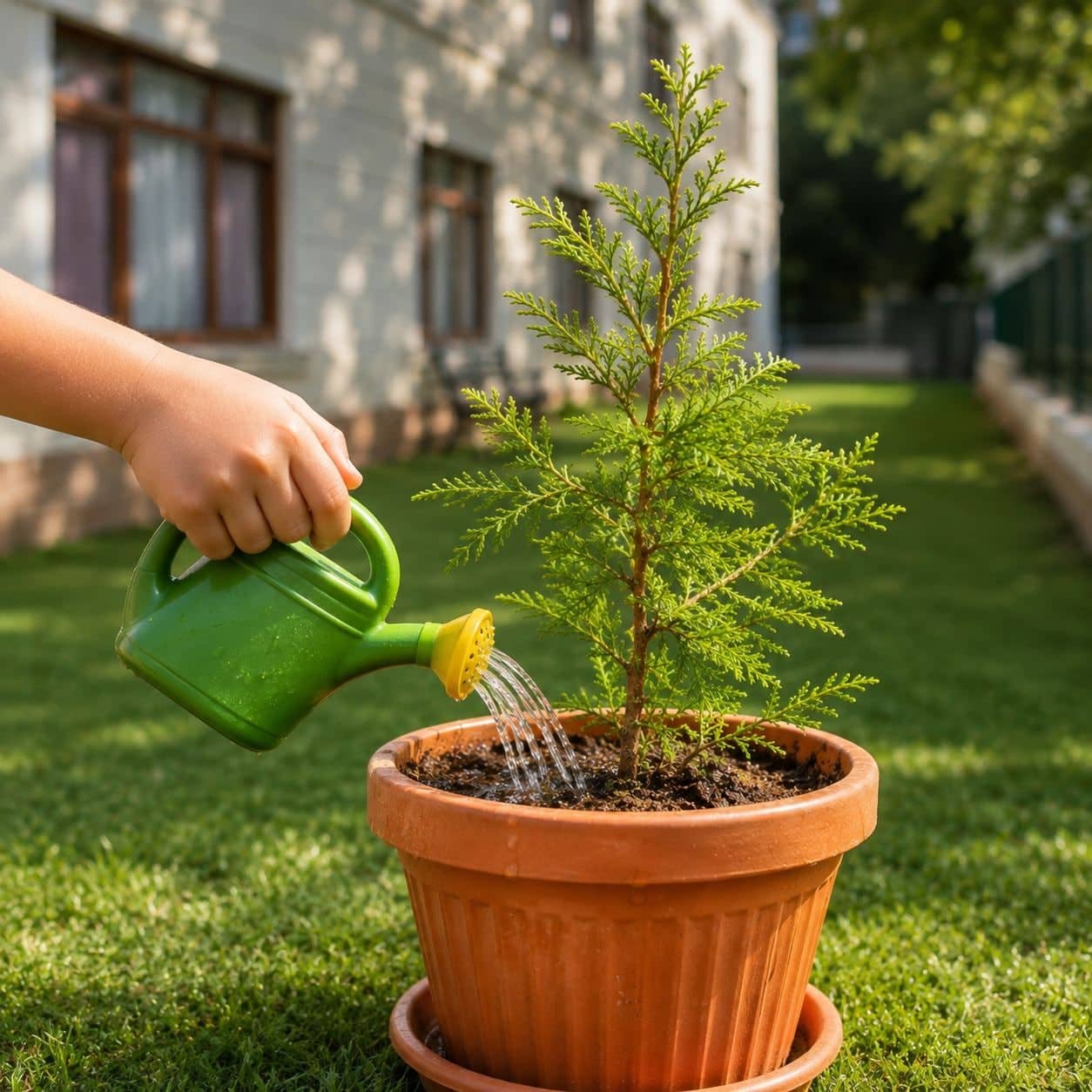
Part of our campus gardens is set aside for students. Kindergarten and primary school pupils sow seeds, grow seedlings and observe the changing seasons; they see with their own eyes how compost turns into rich soil.
Middle and high school students in the ecology club take care of the garden, organise sapling planting days and observe birds and plants on nature walks. We include the programmes of organisations that offer nature education in our club work.
School garden
Planting plots allocated class by class.
Compost
Soil from dining hall and garden waste.
Ecology club
Garden care, sapling planting, nature walks.
Observation
Watching the seasons, birds and plants; a nature diary.
Projects
In students’ hands
Sustainability projects go on to the science festival, competitions and international partnerships.

Our students develop environmental projects with TÜBİTAK project mentoring, present them at the science festival and take part in zero-waste and environmental competitions. In eTwinning and Erasmus+ projects they work on the same question together with schools in Europe, using their English along the way.
In high school, social responsibility work opens up to this area: looking after a park in the neighbourhood, a litter-picking day around the school, a zero-waste workshop for younger pupils. A student who takes on responsibility as a project lives the Responsibility trait of the Kaizen Model in its most concrete form.
Science festival
Each year one theme is chosen from the Sustainable Development Goals.
Competitions
Zero-waste, environmental and TÜBİTAK project competitions.
eTwinning and Erasmus+
Joint environmental projects with schools in Europe.
Community service
Park care, litter-picking days, workshops for younger pupils.
School levels
By school level
Every age has its own sustainability work.
Kindergarten
Seeds, water and compost; switching off the light, not leaving the tap running.
Primary school
Class waste duties, energy detectives, planting in the garden.
Middle school
Measuring and projects: water, energy and waste data; TÜBİTAK projects.
High school
Running the club, social responsibility projects, international partnerships.
Questions
Frequently asked questions
Is sustainability a separate subject?
No. It is part of science, social studies and English lessons, of clubs and of the school’s daily routine.
What can my child do at home?
Sort the household waste, bring batteries to school, and make a small family plan for saving water and electricity. The class teacher shares suggestions each term in the parent portal.
What are the SDGs?
SDG is the English abbreviation for the United Nations’ 17 Sustainable Development Goals set for 2030. At our school we match seven of them to everyday practices.
Who can join the ecology club?
Middle and high school students; in kindergarten and primary school, garden work is done as a class.

Next step
Come and see our garden
On a campus visit, let us show you the garden, the waste system and student projects in person.
- Yeni Nesil CampusKeçiören · PursaklarOpen in Maps
- Çankaya CampusÇankayaOpen in Maps
- Hüseyingazi CampusHüseyingazi · MamakOpen in Maps