

Kindergarten · the same programme at 3 campuses
The first year of school begins with play.
Kindergarten covers the years before Grade 1. In these years we work on the child’s academic development as much as their emotional and physical development: a child who comes to school happily and is ready for Grade 1.
- Keçiören · Pursaklar
- Çankaya
- Hüseyingazi · Mamak

Approach
Look, try, tell

The years before Grade 1. Classrooms follow the Montessori approach, with 8-10 hours of English a week. Alongside the class teacher, specialist teachers take the English, physical education, art, music and values education lessons; academic preparation is worked on alongside emotional and physical development.
A child of this age first watches something for a long time. Then they pick it up, take it apart and put it back together. Finally, they want to tell someone what they saw. We build the day in this order: every activity leaves time for looking, trying and telling.
Read more
Teaching reading and writing is the work of Grade 1; we prepare children for that day. A child who can tell sounds apart, holds a pencil correctly, has grasped counting and patterns, and listens to a question to the end starts Grade 1 with ease.
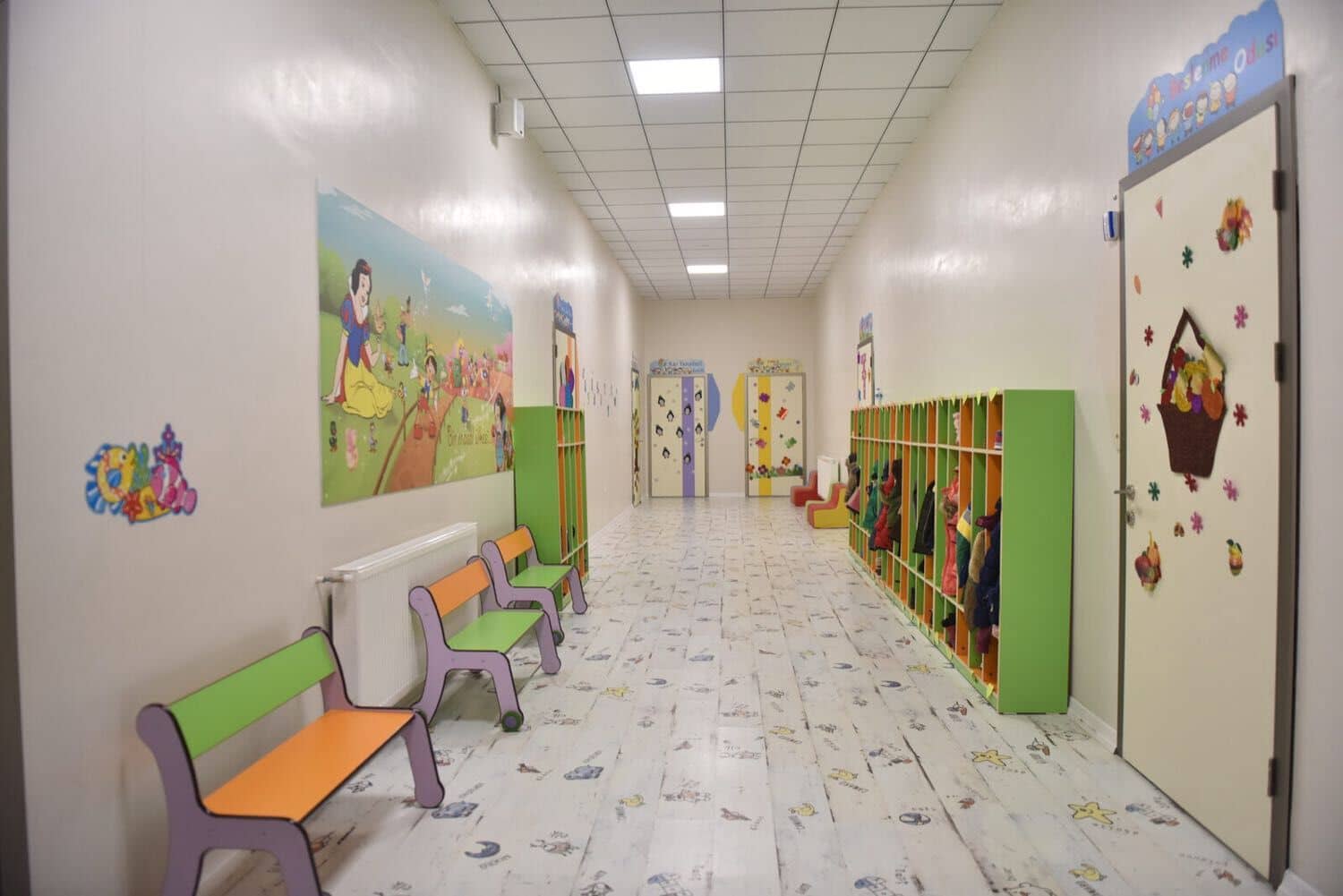
We apply the Montessori approach in our classrooms. The materials on the shelves are arranged at the child’s height; the child chooses a task, finishes it at their own pace and puts it back. The teacher guides but does not do it for the child. This order supports independence and attention.
When a child cries, gets angry or feels embarrassed, that feeling is given a name too. The teacher asks "Are you upset?" and the child answers in their own words. We take this as seriously as a maths activity.
Play
Here, play is the lesson itself. Activities follow the child’s developmental sequence.
Trust
Every child is known by name and is heard. During the settling-in weeks, the family stays close to the classroom.
Montessori
We apply the Montessori approach in our classrooms: the child chooses the material, works at their own pace and puts the work back when finished.
Trying things out
Curiosity is fed by the hands: children touch, pour, mix, then ask why.
Values
Sharing, waiting your turn and saying sorry are practised every day in small moments.
A day
How a day goes
From the morning lessons to the end of the day, an ordinary school day.
- School starts 09:00
- School ends 16:30
Morning
- WelcomeThe teacher greets the children at the door. Each child puts their bag in their own locker and looks at the day’s picture plan.
- Circle timeEveryone sits together, talks about the weather and hears what will happen today.
- Learning cornersSmall-group work in the science, building, art and book corners.
- EnglishSongs, stories and games with the specialist English teacher.
Afternoon
- LunchEaten together at the table. Using a knife and fork and table manners are learnt too.
- RestA quiet hour: those who want to sleep, sleep; those who do not, look at books.
- Specialist lessonDepending on the day, physical education, art, music or values education, each with its own specialist teacher.
- GardenOutdoors whenever the weather allows: play, observation, small gardening jobs.
Programme
What the programme includes
The pre-school curriculum of the Ministry of National Education (MEB) forms the basis, and the Montessori approach is applied in the classrooms. Alongside the class teacher, specialist teachers take the English, physical education, art, music and values education lessons.

English
8-10 hours of English a week; listening and speaking every day through songs, stories and games with the specialist teacher. The Cambridge programme starts in primary school.
Physical education
Balance, coordination and team games with the PE teacher, in the gym and in the garden.
Art
Paint, clay and collage with the visual arts teacher; children tell their friends about what they made.
Music
Songs, rhythm instruments and listening with the music teacher; attention and waiting your turn are also practised here.
Values education
Sharing, saying thank you and saying sorry in a weekly lesson, through stories and drama.
Swimming and ice skating
Swimming in the heated semi-Olympic pool at the Yeni Nesil (New Generation) Campus and skating on the school ice rink; with instructors, in age-appropriate groups.
Chess and thinking games
Attention, waiting your turn and planning through chess, puzzle and strategy games.
Robotics and coding hour
In the weekly coding hour, first screen-free algorithms with arrow cards and floor robots; cause and effect through simple experiments.
Highlights
What sets the school apart, in brief
The details of each heading are inside its card.
We work on academic development as much as on emotional and physical development.
Play is the best teacher at this age, but there is a programme deliberately built into the play. While playing, children learn to tell sounds apart, match numbers to objects, continue a pattern and retell a story in order.
In the 5-year-old group, preparation for Grade 1 becomes more visible: pencil control, following a line, attention span, finishing a task from start to finish. At the end of the year, we share with you our observation of each child’s readiness for Grade 1.
- Language and sound awareness
- Telling sounds apart, vocabulary, retelling a story in their own words.
- Early maths
- Counting, matching, comparing, patterns and simple problems.
- Getting ready to read and write
- Holding a pencil, hand-eye coordination, line work; reading and writing come in Grade 1.
- Attention and work habits
- Listening to an activity, waiting their turn, finishing what they started.
We know that both parents work; the school day is arranged with this in mind.
You can drop your child off early on your way to work in the morning and pick them up after work in the evening. After school hours, children are not left waiting with nothing to do; play, reading and rest continue with the extended-day teacher.
You can see on the parent portal what your child ate, whether they slept and what they did during the day. There is also a programme during mid-term breaks and the summer.
- Early drop-off
- Drop-off before school hours, supervised by a teacher.
- Extended day
- Play, books and rest after school hours until the evening.
- School bus
- Bus service by neighbourhood at school hours; children staying for the extended day are collected by the family.
- Summer and winter school
- Programmes full of swimming, sport, art and play during the summer and the semester break.
Kaizen Model
The five habits at this age
The five habits of the Kaizen Model are present in kindergarten too, only on a smaller scale. For a four-year-old, "responsibility" means putting their toy back.

- ThinkingAsks "Why?" and waits for the answer.
- MakingMakes what is in their head with blocks, clay and card.
- ExpressingTells friends about what they made and sings an English song all the way through.
- EmpathyGoes over to a friend who is crying.
- ResponsibilityTidies away their toys and does not forget their class job.
With families
How we talk with you
In kindergarten, communication with families is daily. In the evening you find out what your child ate, whether they slept and what they did during the day.
Daily note
Meals, sleep and the day’s activity on the parent portal.
Photo sharing
Weekly class sharing only on the closed parent portal and with the parent’s written consent; no student photos are published on the public website.
Term report
Observations in the five habits and the teacher’s suggestions.
Face-to-face meeting
At least once a term; whenever you wish if needed.
Read more
At the end of each term, we share what we have observed in the five habits in a written report, and then you talk face to face with the teacher. No grades; observation.
Campuses
Campuses with a kindergarten
The level runs with the same programme on every campus.
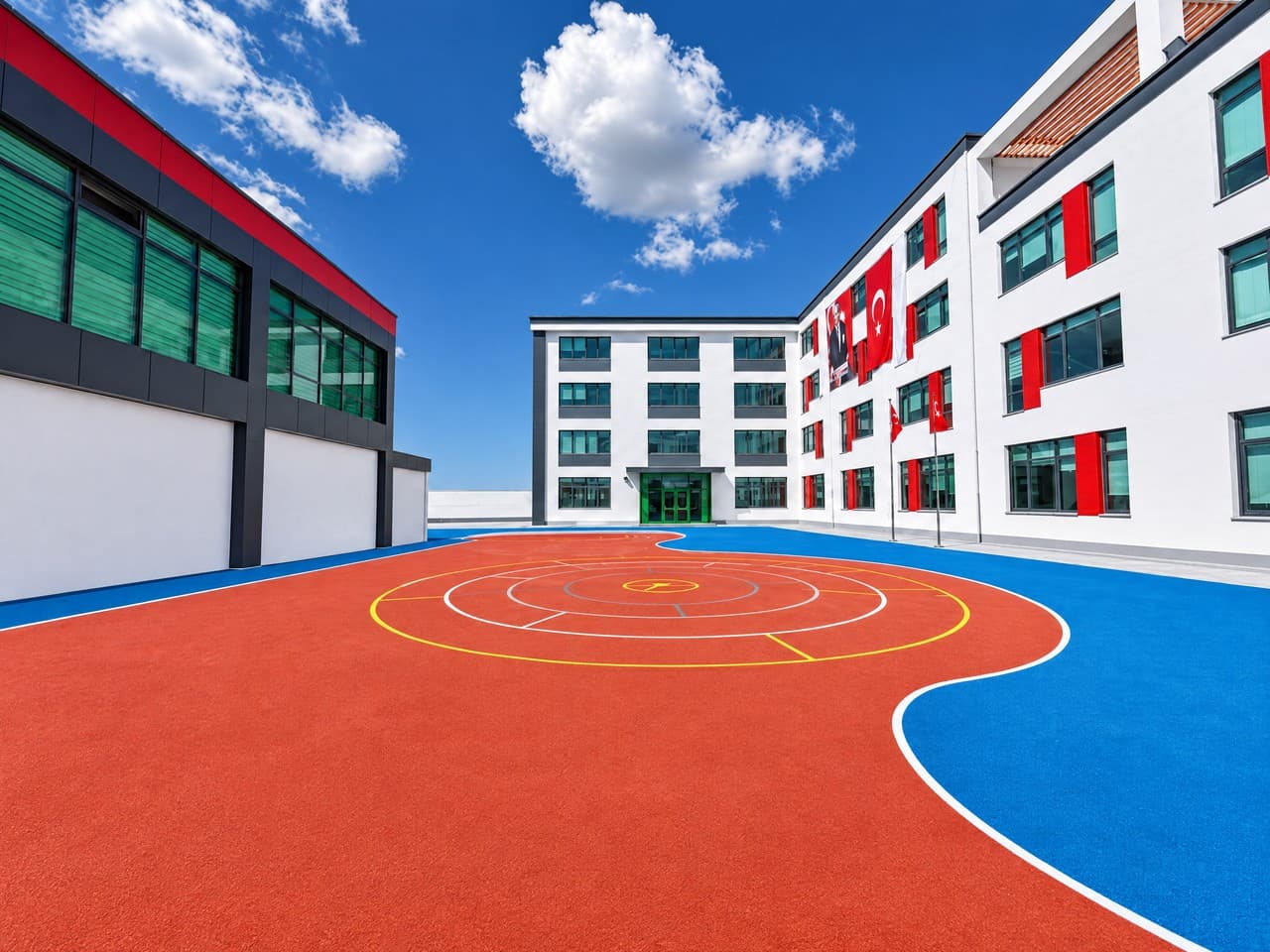 Keçiören · Pursaklar
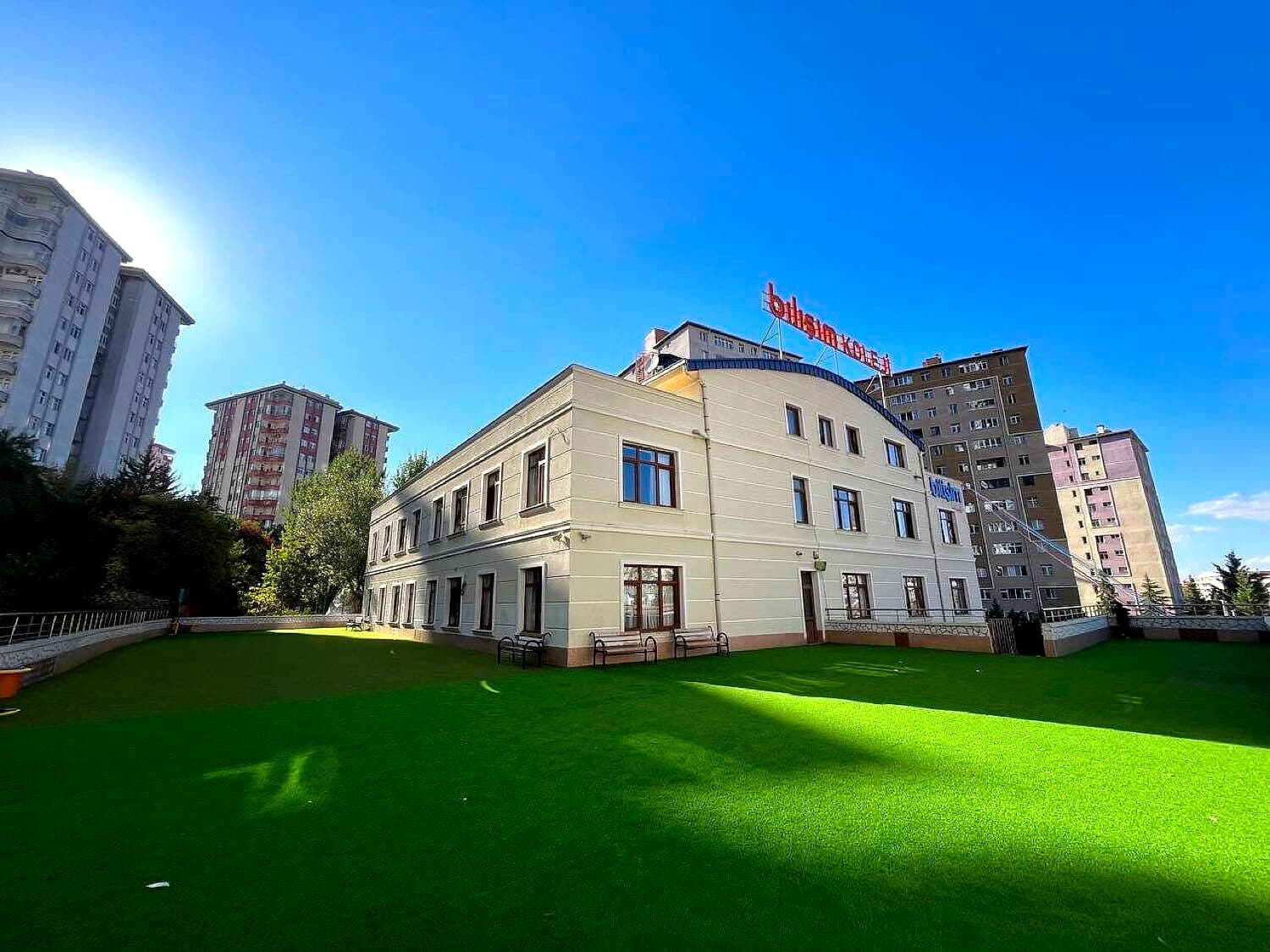 Çankaya
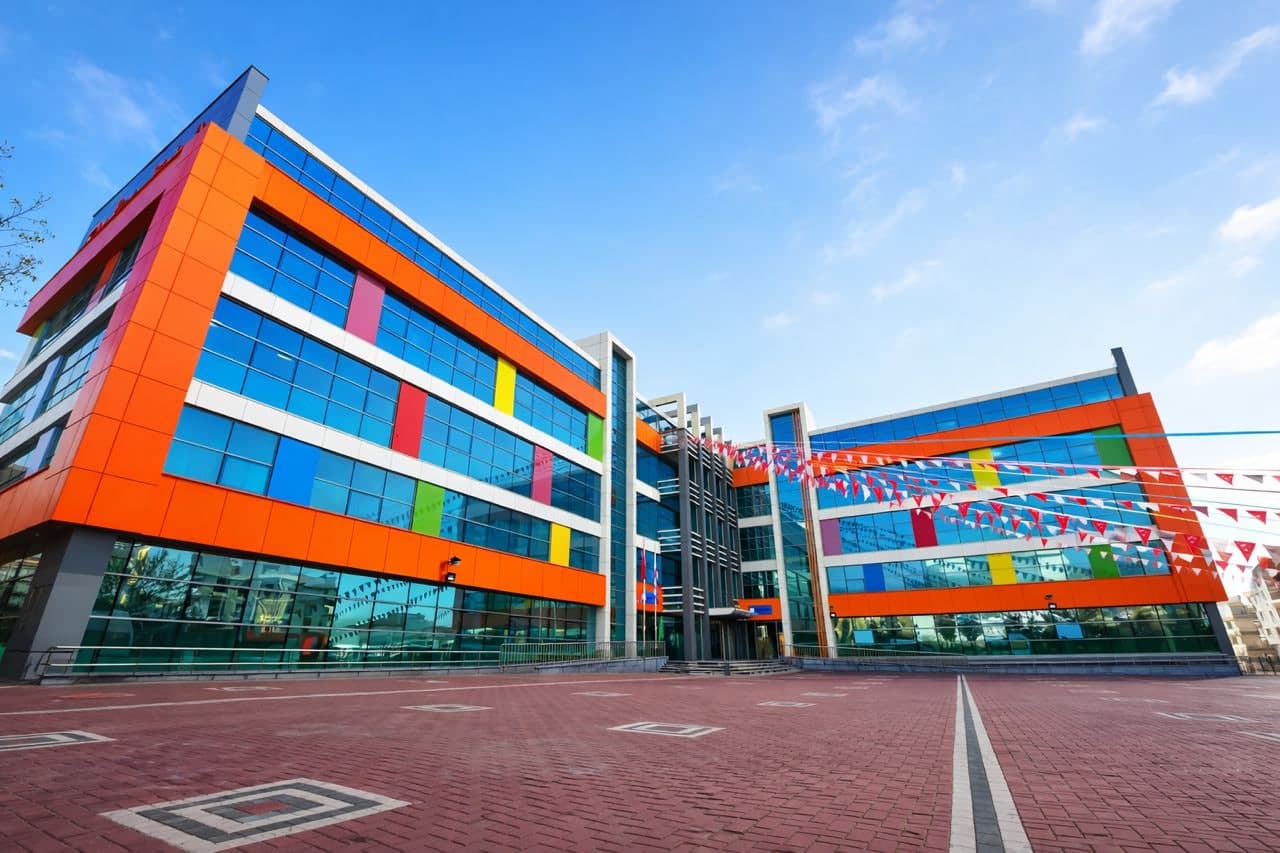 Hüseyingazi · Mamak
Hüseyingazi Campus
- Kindergarten
- Primary school
- Middle school
- Anatolian High School
- Science High School
Questions
Frequently asked questions
Which children do you admit to kindergarten?
We admit children in the years before Grade 1. Which group your child will start in is confirmed at the admissions meeting, based on their date of birth.
How many hours of English are there a week?
Kindergarten has 8-10 hours of English lessons a week, taught by a specialist English teacher. After-school online lessons start in primary school.
Do you use Montessori?
Yes. Classrooms have Montessori materials and the Montessori way of working; we run this together with the pre-school curriculum of the Ministry of National Education.
Is there swimming in kindergarten?
Yes. Swimming lessons in the heated semi-Olympic pool at the Yeni Nesil Campus and skating lessons on the school ice rink are given with instructors.
Who teaches the specialist lessons?
English, physical education, art, music and values education are taught by specialist teachers who are experts in their subjects. The class teacher is also with the children in these lessons.
We both work; can we pick our child up in the evening?
Yes. There is early morning drop-off and an extended-day option that runs until the evening. The school bus runs at school hours; children staying for the extended day are collected by the family in the evening.
How does the settling-in period work?
The first weeks start with short days, and the time is gradually extended. In the first days, a family member can stay at school.
Do you teach reading and writing?
We start with holding a pencil, sound awareness and attention. Within our programme, children learn to read and write as well.
Are meals prepared at school?
Yes. In kindergarten, three meals are served: breakfast, lunch and an afternoon meal. The monthly menu is shared on the parent portal before the month begins; a separate plate is prepared for children with allergies.

Next step
See the school in person
The best way to see the kindergarten is on a school day. Get to know the classroom, the garden and the teachers in person.
- Yeni Nesil CampusKeçiören · PursaklarOpen in Maps
- Çankaya CampusÇankayaOpen in Maps
- Hüseyingazi CampusHüseyingazi · MamakOpen in Maps