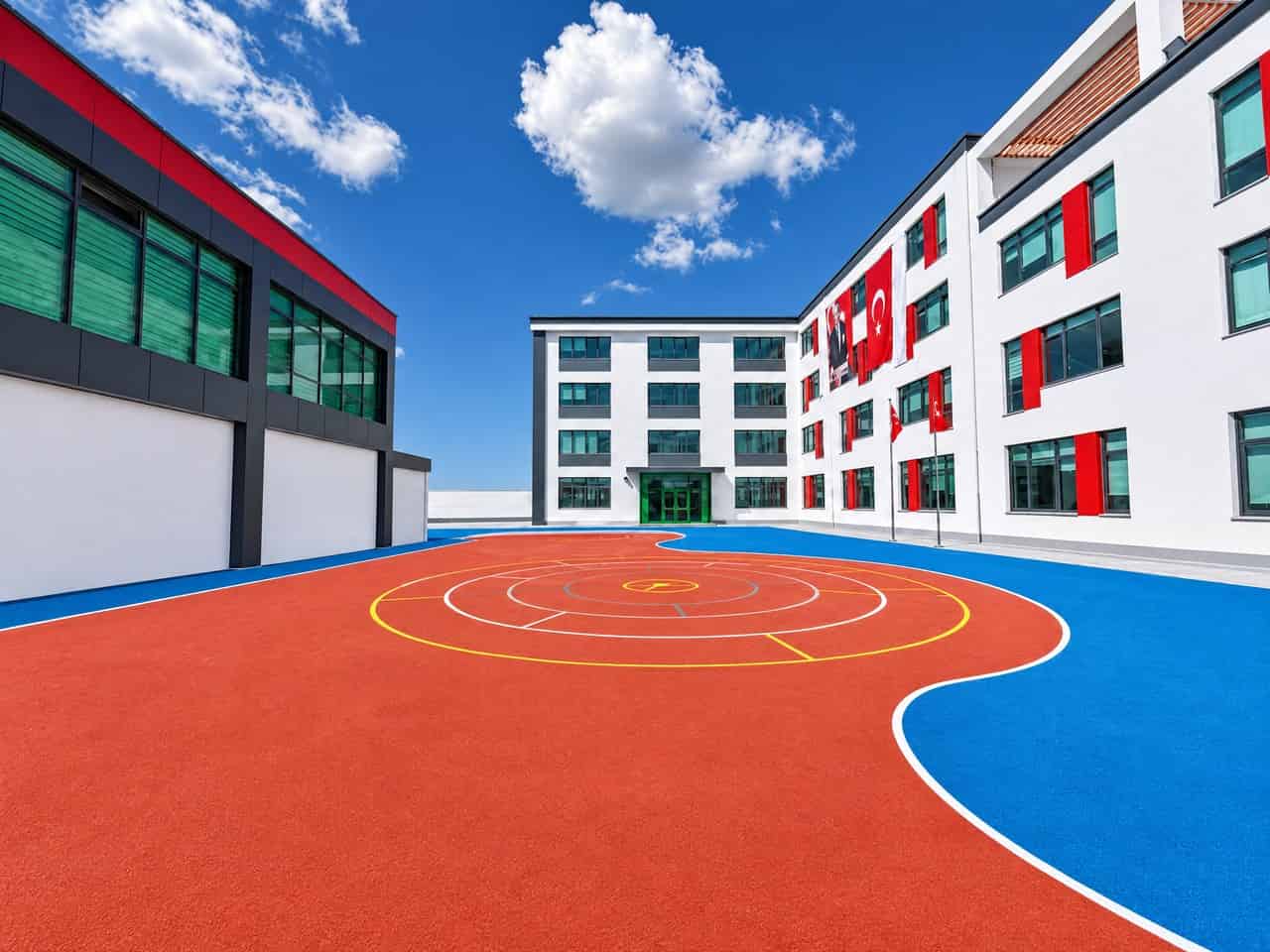


School · Our approach
Five traits, six areas of learning.
The Kaizen Model defines five traits we want to see in our students. We work on these traits across six areas of the weekly timetable: academic subjects, foreign languages, workshops, guidance, exam preparation, and arts and sport.
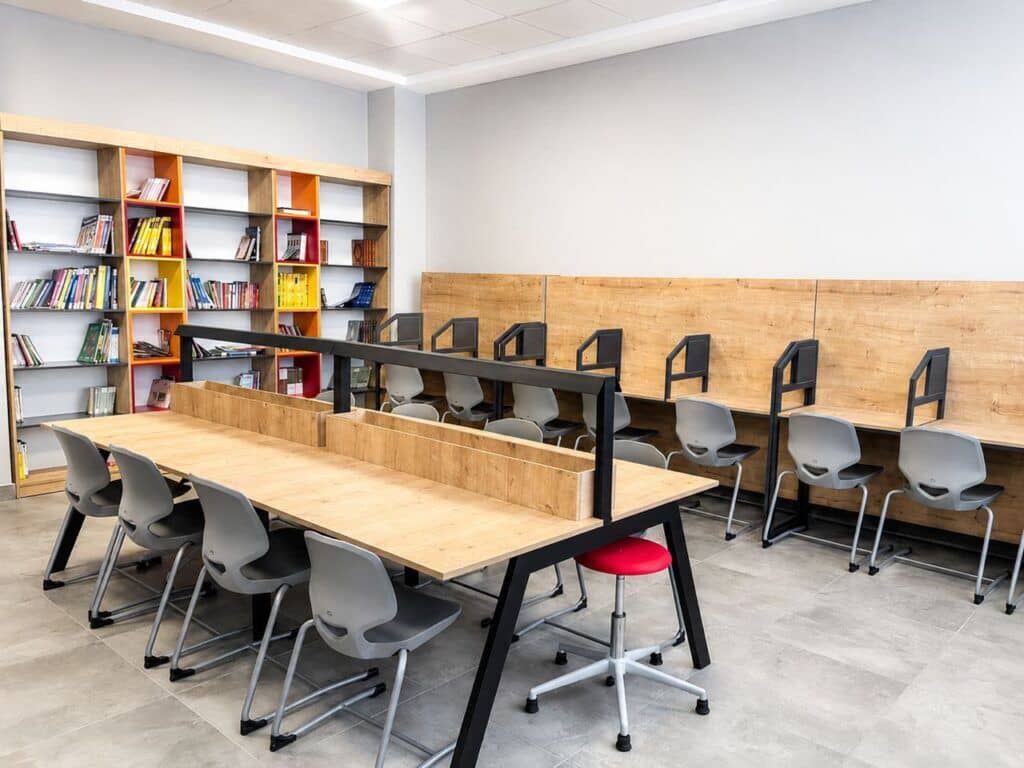

Framework
The student first
When we build the timetable, we think about what students will learn and where they will use what they have learned, together.

Descriptions of a school system usually start with lesson hours. We start from the other end: what kind of person do we want the young person leaving school twelve years from now to be? Our answer is five traits: Thinking, Making, Expressing, Empathy and Responsibility.
Read more
Every lesson, every workshop and every club in the weekly timetable serves at least one of these five traits. When a parent asks why a lesson is on the timetable, we can answer with one of these five headings.
Thinking
Academic depth and a mind that asks questions.
Making
Codes, draws, designs, sets up experiments.
Expressing
Explains in two languages, in writing and in speech.
Empathy
Listens, works in a team, builds connections.
Responsibility
Keeps their word, knows their country, contributes to the community.
The Kaizen Model →
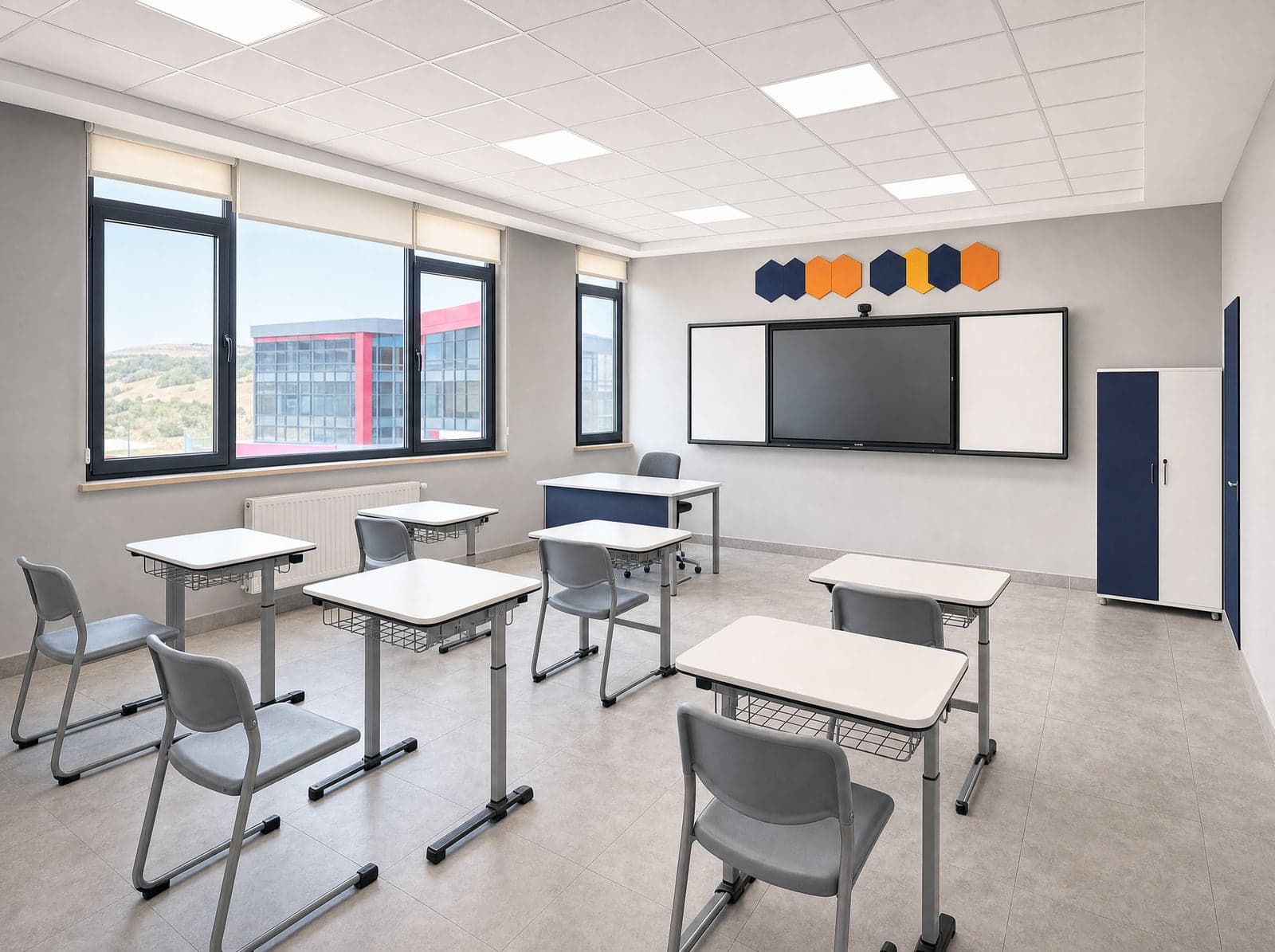
Programme
Six areas
Each area has a lesson, a team responsible for it and an outcome that is tracked.
We work on the five traits across six areas of the weekly timetable. The areas are connected: a presentation prepared in an English lesson explains the project in the workshop, and a goal discussed in guidance is written into the exam preparation plan.
The weight of each area varies by school level. In kindergarten, play and language come first; in the last two years of middle school, exam preparation becomes more prominent; in high school, making things and university preparation go hand in hand.
Academic core
The MEB curriculum is extended with activities that deepen understanding of concepts. Homework and attendance can be followed daily on the parent portal.
- Intensive Turkish
- Conceptual maths
- Science in the laboratory
- Daily tracking
Foreign languages
English begins through play in kindergarten, continues with the Cambridge programme in primary school and aims for B2 level by the end of high school. International exams document progress.
- Cambridge YLE, KET, PET, FCE
- Native English-speaking teachers
- English Only Days
- German from middle school
- IELTS in high school
Making workshops
Block coding in grade 1, circuit boards in middle school, artificial intelligence in high school. We send teams to competitions.
- Scratch
- Micro:bit and Arduino
- 3D printer
- Raspberry Pi
- TÜBİTAK, TEKNOFEST, FIRST LEGO
Character and guidance
Values education runs through activities written into the calendar; every class has a school counsellor assigned to it.
- One-to-one guidance
- Weekly values theme
- Social responsibility projects
- National and spiritual calendar
- Academic coaching
Exam preparation
Regular, measured preparation for the LGS in middle school and the YKS (national university entrance exam) in high school.
- Weekly practice exams
- Individual analysis
- Goal-setting meetings
- Supervised study and question practice
- Monthly report to parents
Arts, sport and clubs
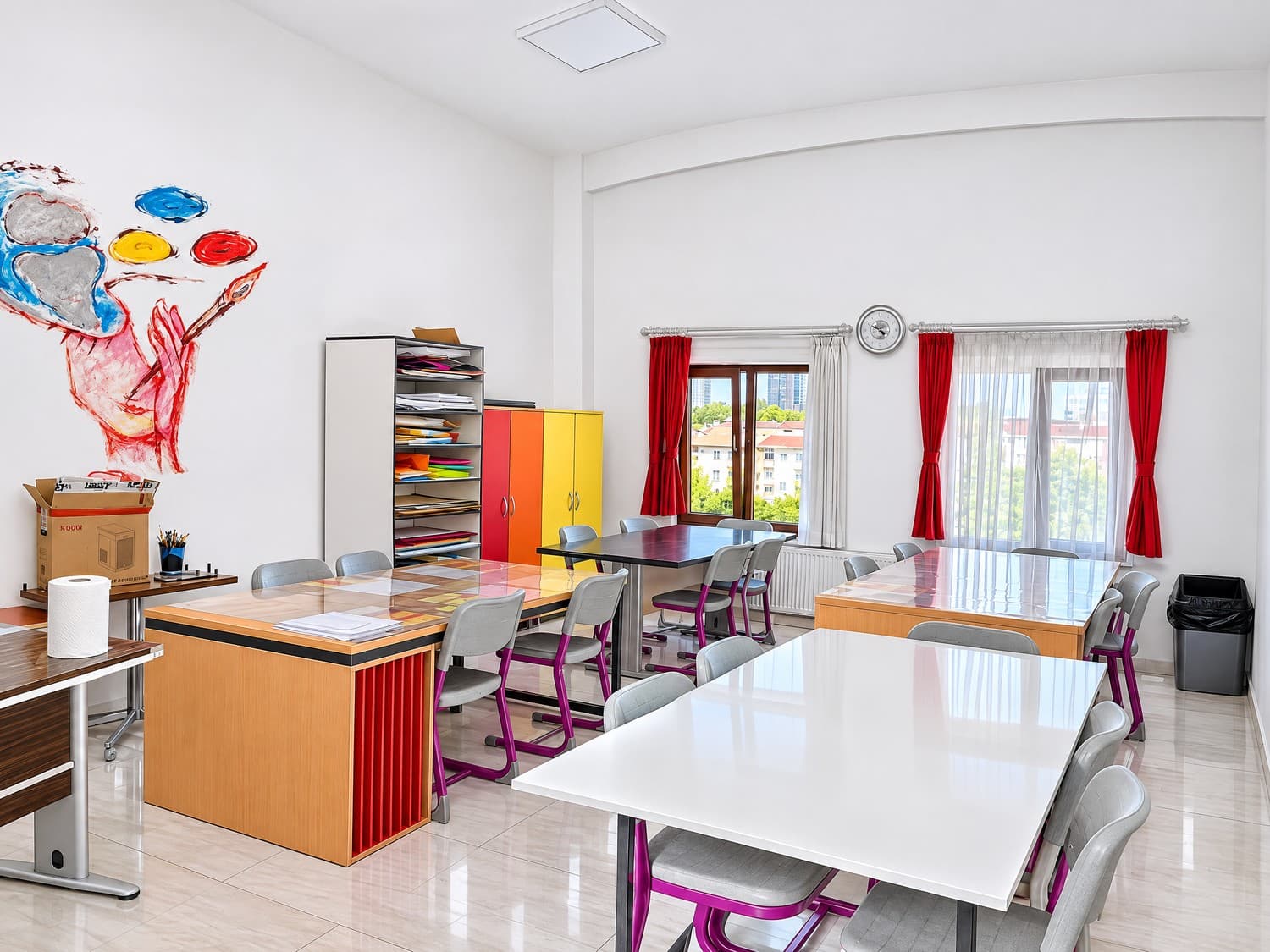
Every student chooses at least one area during the year; the year ends with an exhibition, a performance or a tournament.
- Music, drama, art
- Chess
- Team sports
- Science festival
- Maker Week
A week
How the week runs
What is learned in lessons in the morning is used in workshops and clubs in the afternoon.
A student’s week is made up of lessons, workshops, supervised study and club hours. Mornings are mainly given to academic subjects; the afternoon brings workshops, sport and club activities. This way, a concept finds its place in the same week both in the book and in the hands.
Certain days of the week are English Only Days; on those days, conversations outside lessons are also held in English. For students in an exam year, a weekly practice exam followed by individual analysis is a fixed part of the programme.
Read more
The week closes with short notes from teachers. These notes come together in the guidance and counselling service and form the basis of meetings with parents.
In lessons
Concept, example and question. Classes are small; the teacher sees every student.
In the workshop
The concept that was learned becomes a project.
In supervised study
Topics that were missed are completed one to one with a teacher.
In the club
Year-long work in the chosen area.
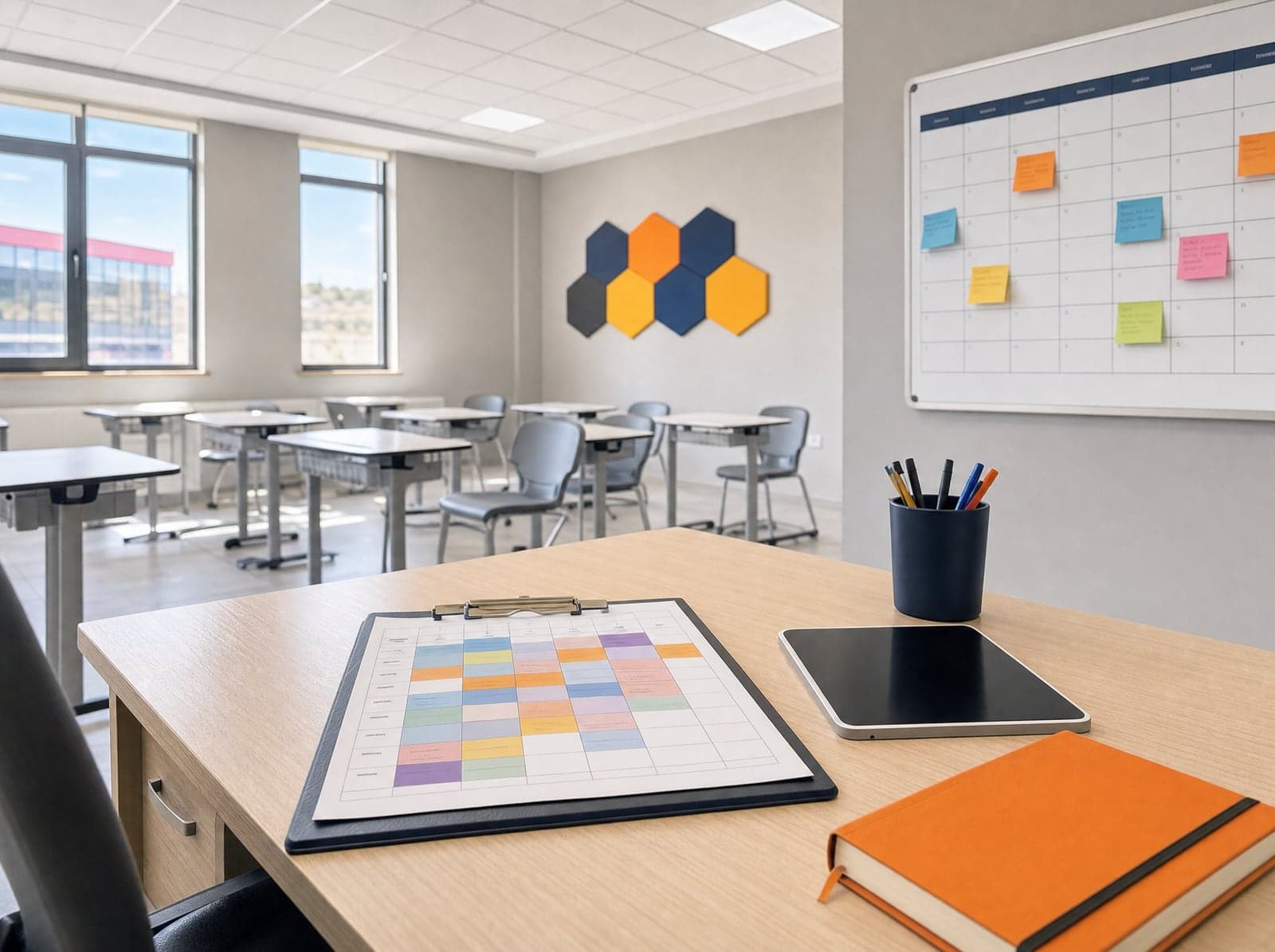
Tracking
Seeing progress
Here we have gathered what is tracked and where parents can see it.
Academic progress is tracked through exams and daily monitoring; this is the part everyone knows. We add the five traits of the Kaizen Model to it. Every term, teachers assess each student’s development in the five traits through observation notes.
Read more
Parents receive this information in three ways: daily tracking on the parent portal, a monthly report for students in an exam year, and an end-of-term meeting held jointly by the teacher and the school counsellor.
Daily
Homework, attendance and marks on the parent portal.
Monthly
Practice exam results and a report on the distance to the goal.
Every term
Development in the five traits and a face-to-face meeting with parents.
An observation note
“Making: In the robotics workshop, set up the sensor connection for the team; when the circuit did not work, tried again twice. Next step: record attempts in a notebook.” Notes in the term report look like this; this example is given without a name.
School levels
By school level
The five traits are present at every school level; the way we work on them changes with age.
You do not take the same path with a four-year-old child as with a seventeen-year-old. The five traits become visible through play in kindergarten, through projects in primary school, through discussion in middle school and through making things in high school.
When a student moves up a school level, the guidance and counselling service passes the student’s development file on to the new teachers. In the first weeks, the class teacher and the school counsellor meet together with students starting middle school or high school.
Kindergarten
Play, songs in English, first coding games.
Kindergarten →Primary school
A reading habit, block coding, first projects.
Primary school →Middle school
Discussion, circuit boards, planned LGS preparation.
Middle school →High school
Projects, an artificial intelligence workshop, YKS and careers coaching.
High school →
Questions
Frequently asked questions
Don’t all these activities get in the way of academic subjects?
No. Optional workshop and club hours are written into the weekly timetable from the start; they are not taken from academic lesson time. What is more, a concept learned in a lesson sticks better when it is used in the workshop.
In which grade does English start?
It starts in kindergarten with songs and games. The Cambridge programme begins in primary school: YLE in primary school, KET and PET in middle school, FCE and IELTS preparation in high school. German starts in middle school as a second foreign language and continues in high school.
When does exam preparation start?
Preparation for the LGS in middle school and the YKS in high school runs through regular practice exams and individual analysis. It intensifies in the last two years, but preparation is not squeezed into a single year.
How can I follow my child’s progress?
You follow it daily on the parent portal and, in an exam year, through a monthly report. At the end of each term there is a face-to-face meeting with the teacher and the school counsellor.
Is choosing a club compulsory?
Every student works in at least one area during the year. The student chooses which area; the school counsellor helps if needed.

Next step
See the approach for yourself
A visit that coincides with a workshop hour or an English Only Day tells you more than this page.