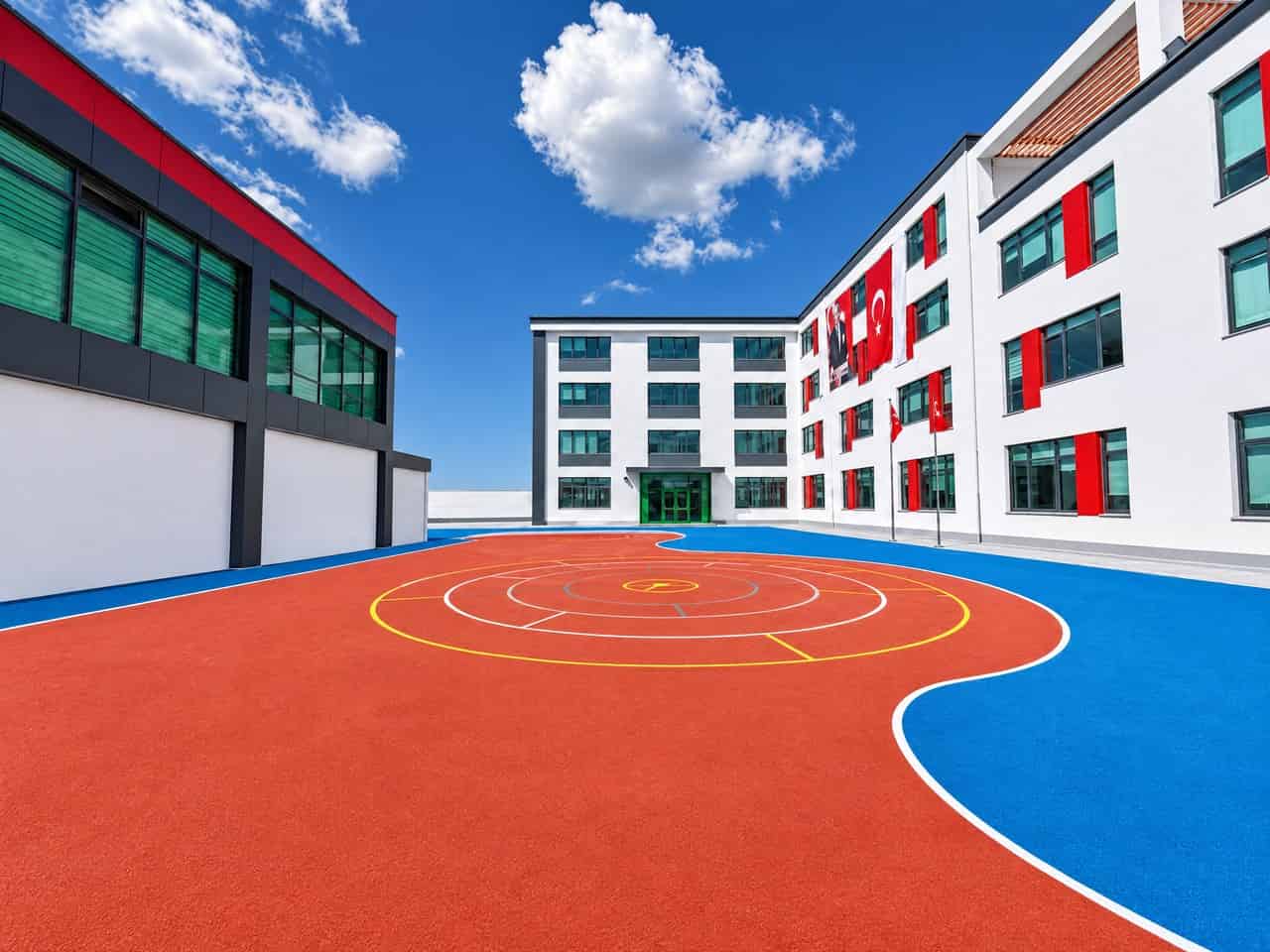


Primary school · the same programme at 3 campuses
Four years in which lasting habits are built.
A child who loves reading, is at ease with numbers and can hold an everyday conversation in English. We plan the four years of primary school for this.
- Keçiören · Pursaklar
- Çankaya
- Hüseyingazi · Mamak

Approach
A little every day

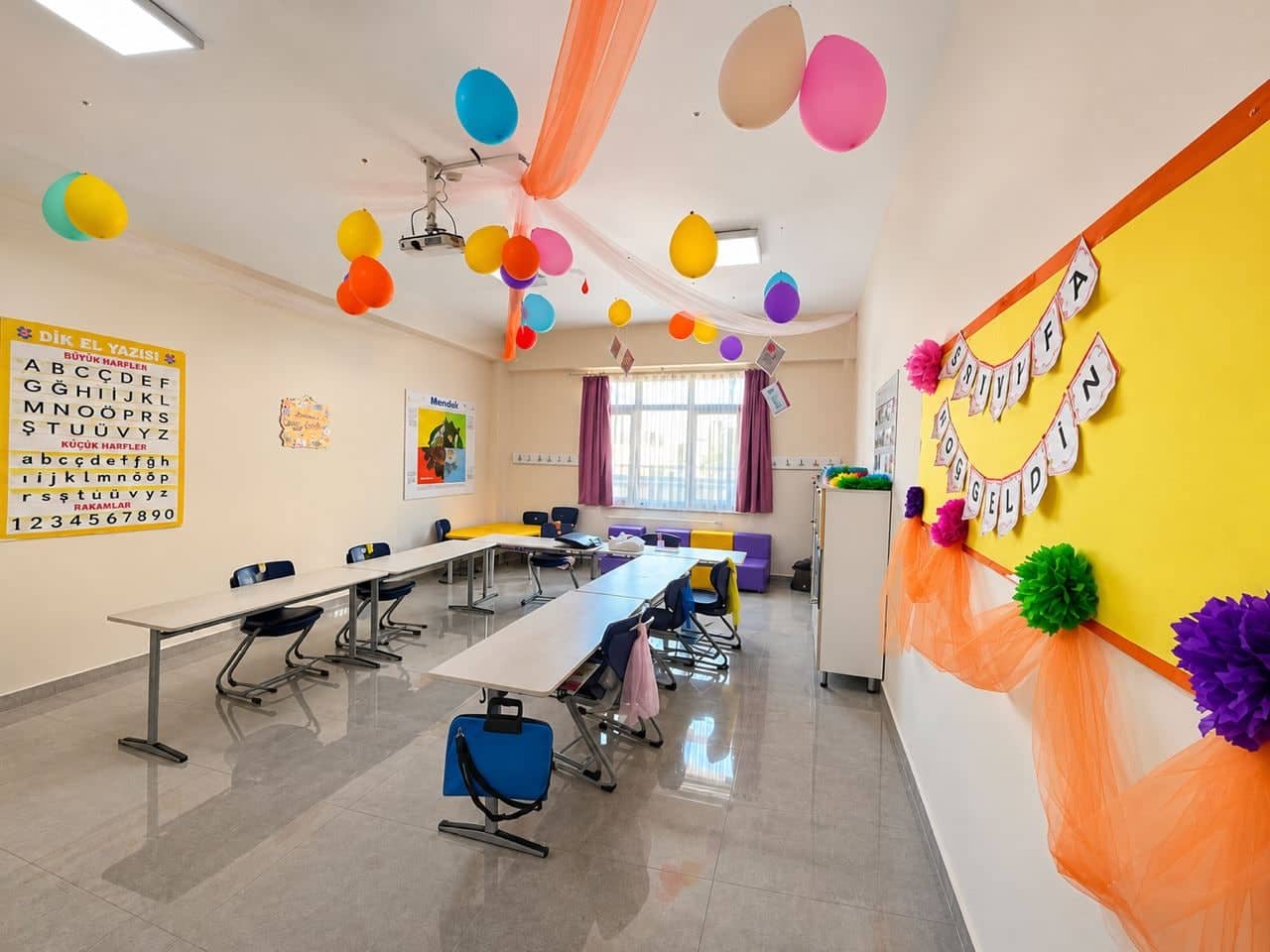
In primary school, reading, conceptual maths and English become part of the daily routine. Block coding starts in Grade 1; each student’s academic progress is followed one to one every week.
We start the day with a book. Each child reads a book of their own choosing; our aim is for them to return to reading of their own accord. In maths, too, there is a short problem session every day; over four years these small repetitions turn into a habit.
Read more
We do not make children memorise maths. The child works first with concrete objects, then with drawings, and finally with numbers. They understand what a fraction is while cutting up a cake, and learn the formula afterwards.
Academic progress is followed one to one every week. A child who falls behind in a topic is noticed without waiting for the end of term, and the class teacher talks with the family that same week.
Learning by doing
Students who speak up, try things out and ask questions in lessons.
English
Used hand in hand with language, science and technology lessons.
Scientific thinking
Ask a question, investigate, show what you found.
Weekly tracking
Every student’s progress is reviewed once a week.
A day
How a day goes
From the morning lessons to the end of the day, an ordinary school day.

- School starts 09:00
- School ends 16:30
Morning
- Reading timeSilent reading before the first lesson.
- Core lessonsTurkish and maths in the fresh morning hours.
- EnglishSpeaking-focused lessons with a native English-speaking teacher.
- BreakIn the garden or the sports hall, supervised by a teacher.
Afternoon
- LunchA meal prepared in the school kitchen, eaten together.
- Science and life studiesThrough experiments, observation and small projects.
- WorkshopOptional coding, robotics, art or music workshop (fee-paying).
- Supervised studyHomework and revision as the day ends, so that work does not pile up at home.
Programme
What the programme includes
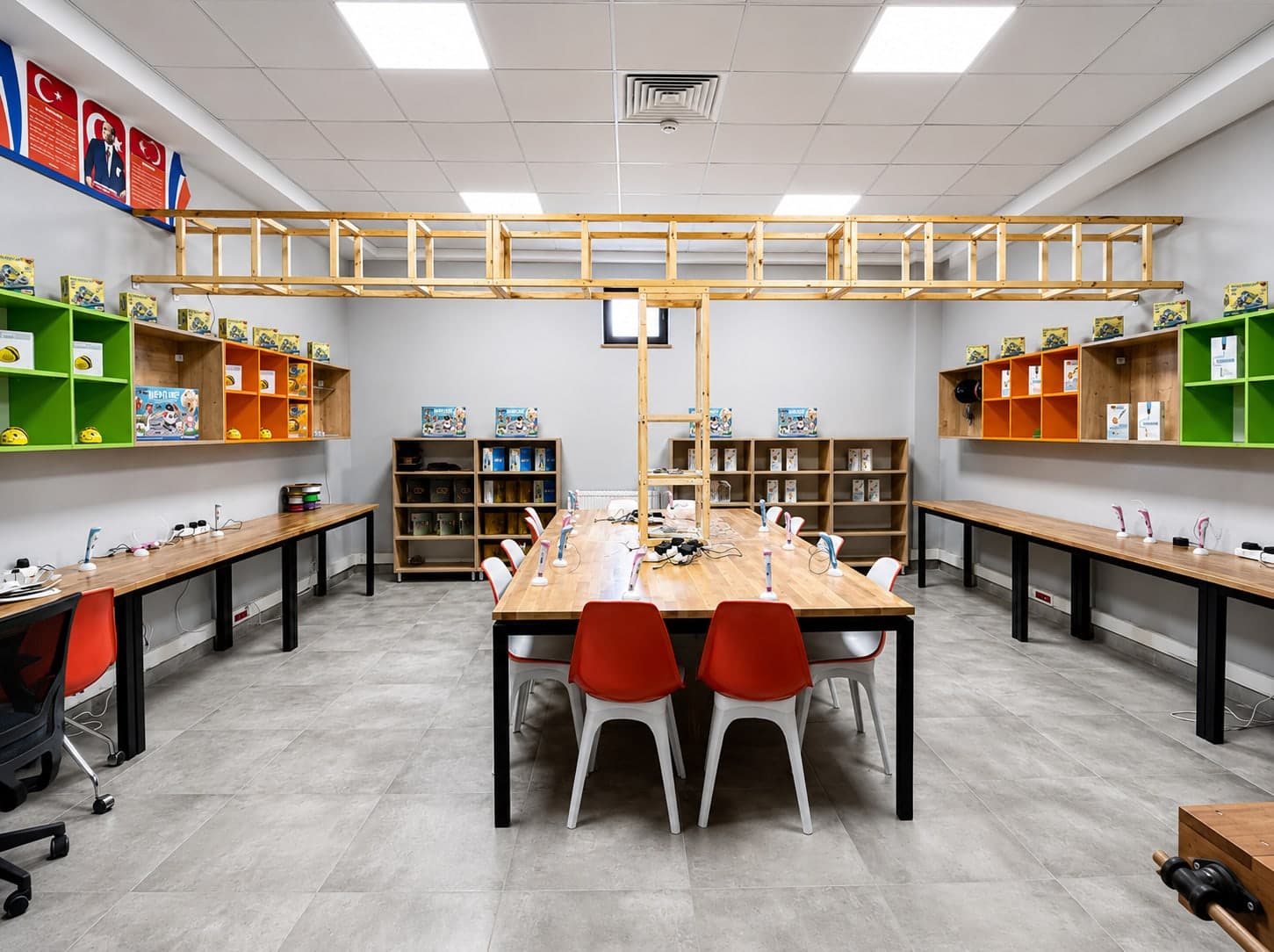
The full curriculum of the Ministry of National Education (MEB) is taught. On top of this come intensive English and a coding and robotics workshop starting in Grade 1.
Tablet learning
Interactive practice and instant feedback in lessons, on school-managed tablets.
Evening English
In partnership with Jimmy Carter International School, online lessons from home in the evening after school, with American teachers.
Educational coaching
A coach for every student in partnership with Orijin Danışmanlık: a goal, a weekly study plan and regular meetings.
Cambridge English
With a native English-speaking teacher; preparation for the Cambridge YLE exams.
Coding
Scratch Jr and Code.org from Grade 1, Micro:bit from Grade 3. Students use their own tablet in class.
Robotics
Basic engineering and teamwork with robot kits.
Intensive Turkish
Reading habits, explaining what you have understood, and writing.
Active maths
Maths based on problem solving, from the concrete to the abstract.
Values education
A weekly activity on the themes of respect, empathy and responsibility.
Highlights
What sets the school apart, in brief
The details of each heading are inside its card.
Books, notebooks and tablets on the same desk; technology inside the lesson.
Our students work with school-managed tablets in lessons. The teacher explains the topic, and then interactive exercises, short assessment questions and videos on that topic appear on the tablet. At the same time, the teacher sees on their own screen who is stuck and where.
The tablets come with the school’s safety settings: only lesson apps are open, social media and games are blocked, and use is restricted when the lesson ends. The tablet does not replace paper, pencils or talking in class; it is added alongside them.
- Instant feedback
- Students see the result as soon as they answer; the teacher follows how the class is doing live.
- Personalised practice
- Those who have grasped the topic move on to harder questions; those who are struggling go over the same topic again with different examples.
- Safe device
- School-managed tablets: content filtering, lesson apps only, use tied to lesson times.
- Open to parents
- Homework, assessment results and progress on the parent portal.Learn about tablet learning →
After-school online English lessons in partnership with Jimmy Carter International School.
English that starts at school continues at home in the evening. Through our partnership with Jimmy Carter International School, our students join online lessons with American teachers after school, in the evening. Lessons are held in small groups; students do not just listen in front of the screen, they speak.
Talking with a native English-speaking teacher several evenings a week turns the language from a school subject into part of everyday life. Your child hears the accent, the pace of speech and everyday expressions as they naturally are, and works towards the same goals as the Cambridge programme at school. Lessons take place at home, so there is no journey to worry about.
- Jimmy Carter International School
- A partnership with an international school; the programme and the teachers are set through this partnership.
- American teachers
- Speaking-focused lessons with native English-speaking teachers.
- In the evening, from home
- Online in the evening after school; students join on a tablet or a computer.
- Small groups
- Groups by level; every student speaks in the lesson.
- Linked to school
- Topics and progress are shared with the English teacher at school.Learn about Evening English →
Professional academic coaching in partnership with Orijin Danışmanlık.
Through our agreement with Orijin Danışmanlık, our students work with professional academic coaches. The coach sets a realistic goal together with the student, builds a weekly study plan and checks through regular meetings whether the plan is working. The coach does not teach lessons; they help the child find their own way of studying.
During exam periods, coaching also covers managing anxiety and keeping motivation up. Through the same partnership, our teachers take part in professional development on the coaching approach, so the same language is spoken in the classroom and in guidance.
- Goal and plan
- A goal set together with the student, and a weekly study plan.
- Regular meetings
- Following the plan: what is working, what will change.
- Exams and motivation
- Exam anxiety, time management, study habits.
- Teacher development
- Training for our teachers on the coaching approach.
- Link with families
- Goals and progress are shared in parent meetings.
Kaizen Model
The five habits at this age
In primary school, the five habits become clearly visible. In the term report, we write where the child stands in each one and what the next step is.

- ThinkingBefore solving a problem, says in their own words what is being asked.
- MakingProduces a Scratch game, a model or a class newspaper.
- ExpressingTells the class about a book they have read and introduces themselves in English.
- EmpathyIn group work, makes sure that everyone gets a turn to speak.
- ResponsibilityKeeps track of their own homework and does not let their class job slip.
With families
How we talk with you
We share the results of weekly tracking without delay. If we see a difficulty in a topic, we call that week; if all is well, we want you to know that too.
Parent portal
Homework, absences and announcements in one place.
Weekly tracking
A phone call from the teacher the same week when needed.
Term report
Progress in the five habits and the next step.
Parent meeting
Face to face at least once a term.
Read more
At the end of each term, a five habits report is given alongside the report card. The report is discussed in a face-to-face meeting with the class teacher.
Campuses
Campuses with a primary school
The level runs with the same programme on every campus.
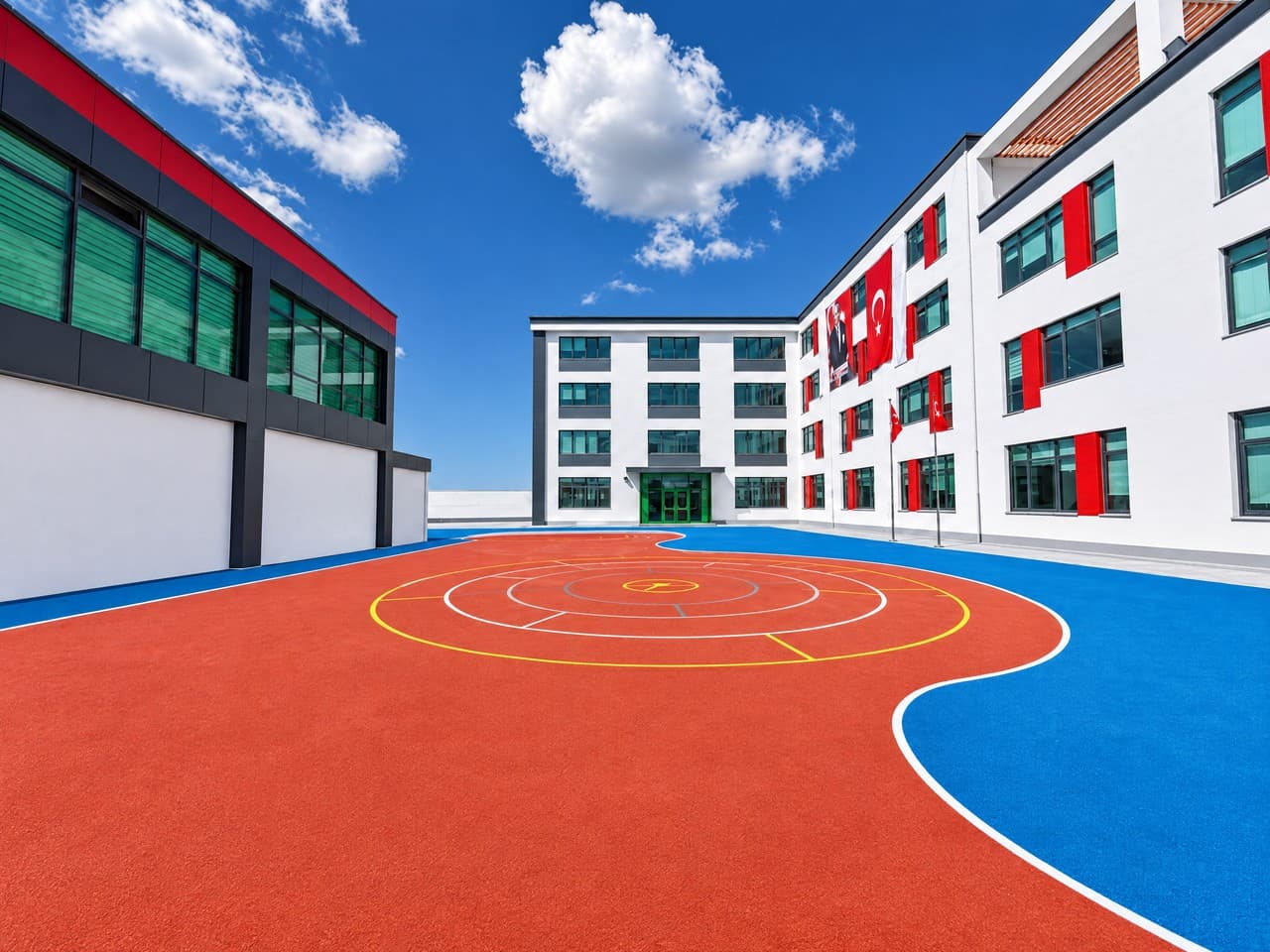 Keçiören · Pursaklar
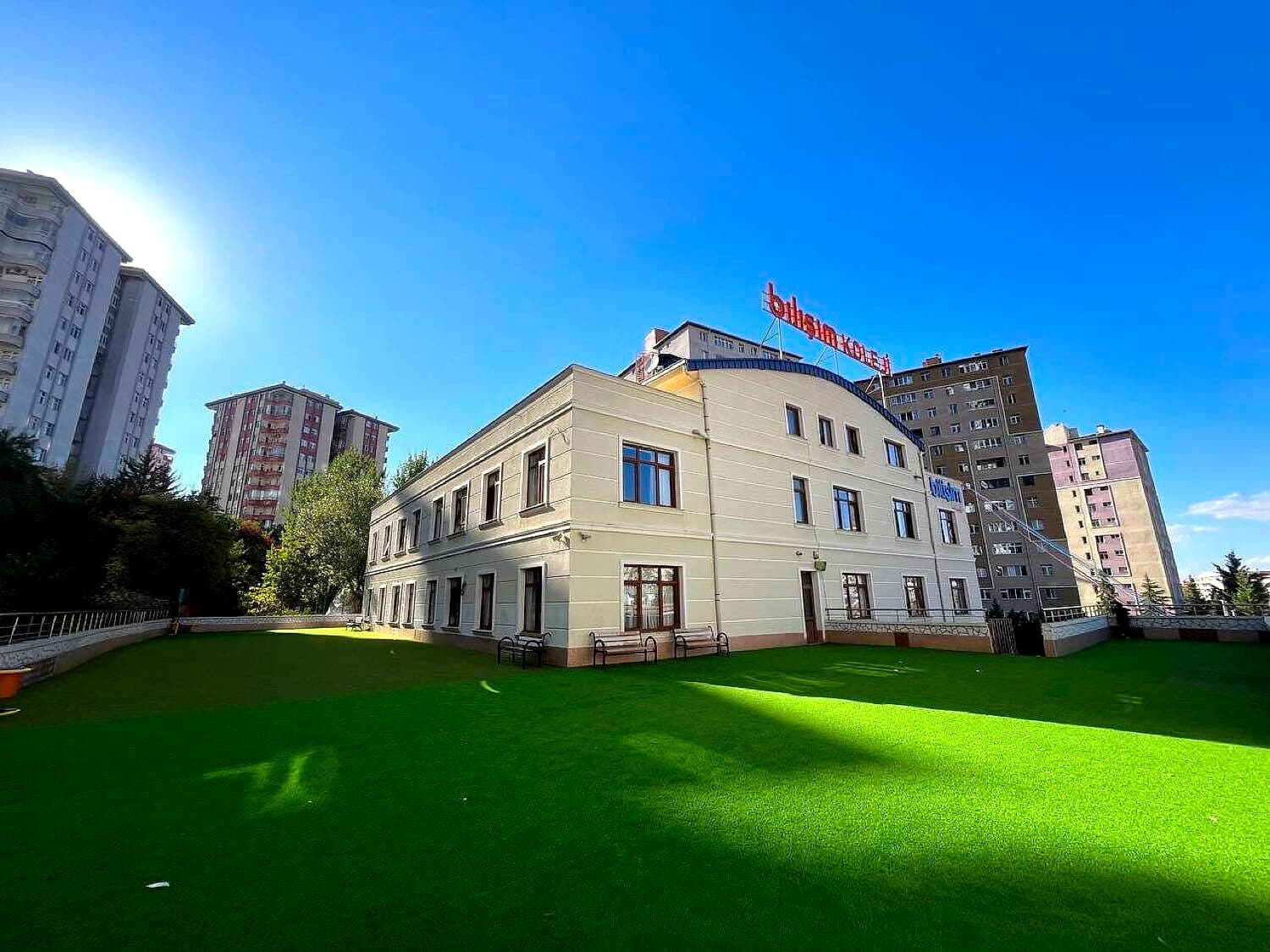 Çankaya
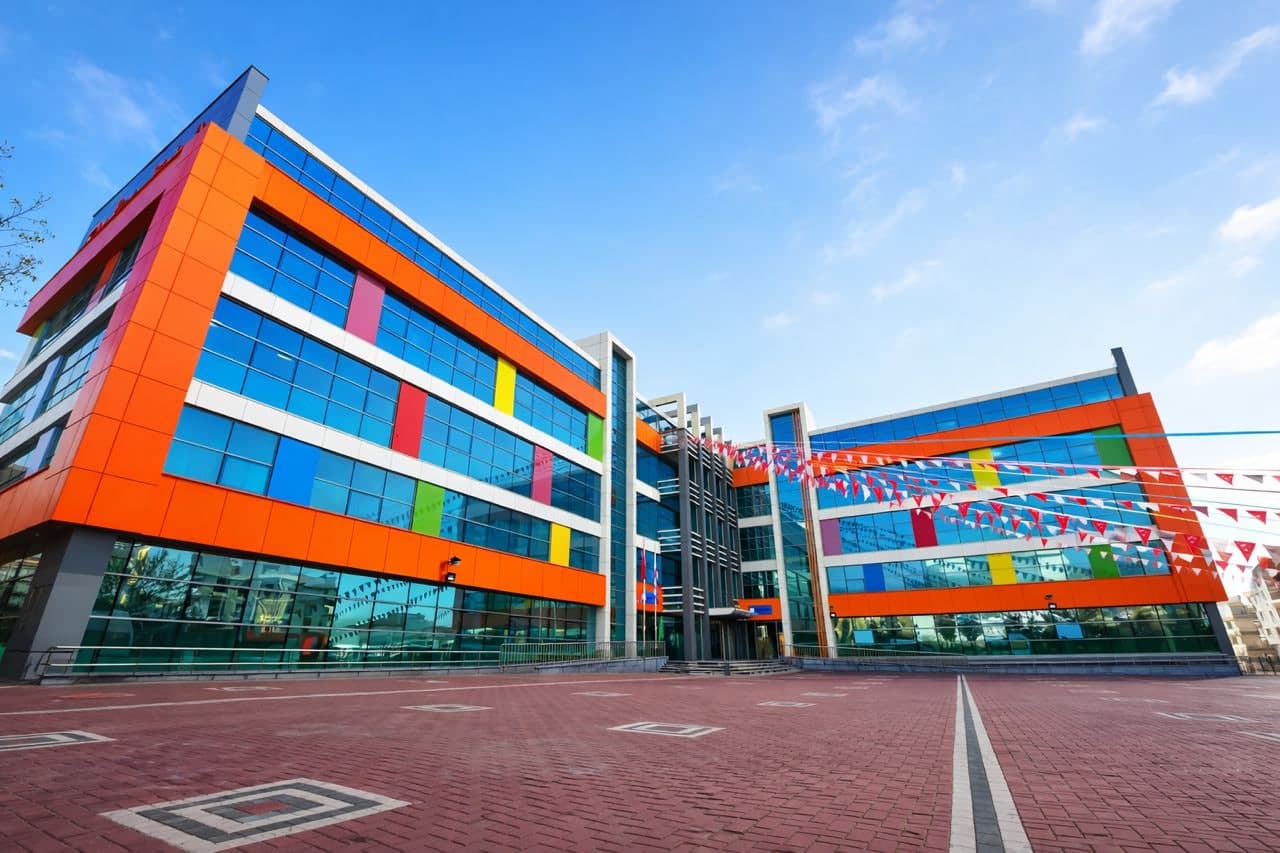 Hüseyingazi · Mamak
Hüseyingazi Campus
- Kindergarten
- Primary school
- Middle school
- Anatolian High School
- Science High School
Questions
Frequently asked questions
How many hours of English are there a week?
It varies by level and grade; there are additional speaking-focused lessons on top of the Ministry of National Education hours. We share the current timetable at the initial meeting.
Is there a lot of homework?
Most homework is done during supervised study at school. What is left for home is mostly reading and short revision.
Do we need a tablet or computer for coding?
No. The workshop uses the school’s devices; no devices are brought from home.
Can primary school students take the scholarship exam?
Which grades the exam is open to is shown each term on the scholarship page, together with the exams open for application. Taking part is free of charge.
Next step
See the school in person
Spend a morning in a primary school classroom. See reading time and the workshop in person.
- Yeni Nesil CampusKeçiören · PursaklarOpen in Maps
- Çankaya CampusÇankayaOpen in Maps
- Hüseyingazi CampusHüseyingazi · MamakOpen in Maps